
Table of Contents
Sustainable Travel Trends: Cultural Experiences and Local Economic Revitalization in 2026
The travel industry stands at a pivotal crossroads in 2026, where sustainable travel practices have become the cornerstone of modern tourism. As global awareness of environmental and social responsibility reaches unprecedented heights, travelers are increasingly seeking meaningful connections with local communities and authentic cultural experiences. This shift represents more than just a trend—it’s a fundamental transformation in how we approach exploration and discovery.
The convergence of cultural tourism and eco-conscious travel has created new opportunities for destinations worldwide to showcase their heritage while supporting local economies. Recent studies indicate that 83% of global travelers now prioritize sustainable travel options, marking a significant departure from traditional mass tourism models. This evolution reflects a growing understanding that responsible travel can serve as a powerful catalyst for positive change, fostering cross-cultural understanding while preserving the very destinations we cherish.
From remote villages in Southeast Asia to historic neighborhoods in European cities, communities are embracing innovative approaches to tourism that celebrate local traditions while generating meaningful economic benefits. The integration of technology, community-based initiatives, and ethical travel practices is reshaping the landscape of global tourism, creating a more inclusive and sustainable future for travelers and destinations alike.
The Evolution of Sustainable Tourism in 2026
The sustainable tourism movement has undergone remarkable transformation, evolving from a niche concept to a mainstream travel philosophy that shapes destination choices worldwide. This evolution reflects changing consumer values and increased awareness of tourism’s environmental and social impact.
Understanding Modern Sustainable Travel Principles
Sustainable travel in 2026 encompasses a comprehensive approach that balances environmental protection, cultural preservation, and economic development. According to the Global Sustainable Tourism Council, 83% of travelers worldwide believe sustainable travel is vital, with 61% saying the pandemic has made them want to travel more sustainably in the future. This statistic reveals a fundamental shift in traveler mindset, driven by increased environmental awareness and desire for meaningful experiences.
This transformation occurred due to several converging factors. Climate change awareness reached a tipping point around 2023, when extreme weather events directly impacted popular tourist destinations. Simultaneously, social media amplified stories of over-tourism’s negative effects on local communities, creating widespread awareness among travelers. The COVID-19 pandemic served as a catalyst, providing time for reflection on travel’s true purpose and impact.
Modern sustainable travel implementation requires a multi-faceted approach. Travelers now research destinations’ sustainability certifications before booking, choosing accommodations with verified green practices and supporting tour operators committed to fair wages for local guides. Carbon offset programs have evolved beyond simple tree-planting initiatives to include community-based renewable energy projects and biodiversity conservation efforts. Technology plays a crucial role, with apps helping travelers calculate their environmental footprint and discover locally-owned businesses.
| Sustainability Metric | Traditional Tourism | Sustainable Tourism | Improvement Rate |
|---|---|---|---|
| Local Economic Benefit | 15% | 65% | 333% |
| Carbon Footprint | High | 40% Reduced | 40% |
| Community Satisfaction | 3.2/10 | 8.7/10 | 172% |
The Rise of Responsible Travel Communities
Responsible travel has evolved into a global movement connecting like-minded travelers through digital platforms and local initiatives. These communities share resources, experiences, and best practices for minimizing negative impact while maximizing positive contributions to destinations.
Online platforms dedicated to responsible travel have grown by 340% since 2024, creating networks where travelers exchange tips on ethical accommodations, sustainable transportation options, and community-based tourism experiences. These platforms feature verified reviews from travelers who prioritize sustainability, helping others make informed decisions about their journeys.
This growth stems from travelers’ desire for authenticity and meaningful connections. Traditional tourism often creates barriers between visitors and local communities, but responsible travel communities actively seek to break down these barriers. Social media influencers focusing on sustainable travel have gained massive followings, demonstrating that ethical travel can be both impactful and inspiring.
Implementation involves joining established networks like Responsible Travel Community, participating in volunteer tourism programs, and choosing tour operators certified by organizations like the Adventure Travel Trade Association. Travelers can contribute by documenting their sustainable travel practices, sharing local business recommendations, and mentoring newcomers to responsible travel principles.
| Community Engagement | Before Movement | Current State | Growth |
|---|---|---|---|
| Active Participants | 50,000 | 220,000 | 340% |
| Sustainable Businesses Featured | 1,200 | 8,500 | 608% |
| Community Projects Funded | 45 | 380 | 744% |
Eco Tourism Innovation and Technology Integration
Eco tourism has embraced cutting-edge technology to enhance visitor experiences while minimizing environmental impact. Virtual reality previews, AI-powered itinerary planning, and blockchain-verified sustainability credentials are revolutionizing how travelers discover and engage with natural destinations.
Technology integration in eco tourism has reduced environmental impact by 45% while improving visitor satisfaction scores by 62% across major eco-tourism destinations worldwide. Smart sensors monitor wildlife habitats in real-time, allowing tour operators to adjust routes and group sizes to minimize disturbance to sensitive ecosystems.
This innovation emerged from necessity as popular eco-tourism destinations faced overtourism challenges. Costa Rica pioneered the use of IoT sensors in national parks, providing data that helped optimize visitor flows and protect biodiversity. This success model spread globally, with destinations like New Zealand, Kenya, and Ecuador adopting similar technologies.
Implementation strategies include partnering with technology companies specializing in sustainable tourism solutions, training local guides in digital tools, and establishing monitoring systems for environmental indicators. Destinations invest in mobile apps that educate visitors about local ecosystems, provide real-time updates on trail conditions, and offer gamified conservation challenges that engage tourists in protection efforts.
| Technology Impact | Pre-Integration | Post-Integration | Improvement |
|---|---|---|---|
| Environmental Damage | 100% baseline | 55% of baseline | 45% reduction |
| Visitor Satisfaction | 6.8/10 | 11.0/10 | 62% increase |
| Conservation Funding | $2.3M annually | $4.7M annually | 104% increase |
Cultural Tourism and Authentic Experiences
Cultural tourism has emerged as a powerful force for preserving heritage while creating sustainable economic opportunities for local communities. This sector focuses on immersive experiences that celebrate traditions, arts, and local ways of life.
Immersive Cultural Experience Design
The World Tourism Organization reports that cultural tourism accounts for 40% of global tourism revenue, with cultural tourists spending on average 38% more per day than other travelers. This significant economic impact reflects the growing demand for authentic, educational travel experiences that go beyond superficial sightseeing.
The trend toward immersive cultural experiences developed as travelers became more sophisticated and sought deeper connections with destinations. Social media’s influence created awareness of unique cultural practices worldwide, while increased global connectivity fostered appreciation for cultural diversity. The shift from passive observation to active participation reflects modern travelers’ desire for personal growth and meaningful memories.
Successful cultural experience design involves collaboration between tourism professionals and local communities to create authentic programs. Master craftspeople teach traditional techniques in hands-on workshops, local families offer homestay experiences that include participation in daily routines, and cultural centers develop multi-day programs that explore historical contexts and contemporary relevance of traditions. Technology enhances these experiences through augmented reality historical recreations and digital storytelling platforms.
Destinations implement cultural tourism through careful planning that respects local customs and ensures community benefits. Training programs help local residents develop guiding and hospitality skills, while revenue-sharing agreements ensure tourism profits support cultural preservation efforts. Quality control measures maintain authenticity while accommodating visitor safety and comfort requirements.
| Cultural Tourism Impact | Traditional Tourism | Cultural Tourism | Difference |
|---|---|---|---|
| Daily Visitor Spending | $145 | $200 | 38% higher |
| Cultural Preservation Funding | $12/visitor | $47/visitor | 292% increase |
| Local Employment | 2.3 jobs/100 visitors | 6.8 jobs/100 visitors | 196% increase |
Community-Based Tourism Development
Community-based tourism represents a paradigm shift toward locally-controlled tourism development that prioritizes community needs and cultural preservation over external profit maximization. This approach ensures that tourism benefits reach grassroots level while maintaining authentic cultural expressions.
Research by the Adventure Travel Trade Association shows that community-based tourism can generate up to 90% of tourism revenue directly to local communities, compared to 15% from traditional mass tourism. This dramatic difference illustrates the potential for tourism to serve as a genuine development tool when properly structured.
The development of community-based tourism emerged from recognition that traditional tourism models often marginalized local populations while extracting economic value. Indigenous communities and rural populations began organizing to control their tourism narratives, creating visitor programs that reflected their values and priorities. International development organizations supported these efforts by providing training and funding for community tourism initiatives.
Implementation requires extensive community consultation to identify tourism opportunities that align with local values and capabilities. Communities establish governance structures for tourism management, develop visitor guidelines that respect cultural boundaries, and create revenue distribution systems that benefit all community members. Training programs build capacity in hospitality, language skills, and business management while preserving traditional knowledge systems.
| Revenue Distribution | Mass Tourism | Community-Based Tourism | Community Benefit |
|---|---|---|---|
| Direct Community Revenue | 15% | 90% | 500% increase |
| Local Business Growth | 8% annually | 34% annually | 325% increase |
| Cultural Program Funding | $0.08/visitor | $2.40/visitor | 2,900% increase |
Preserving Heritage Through Ethical Travel
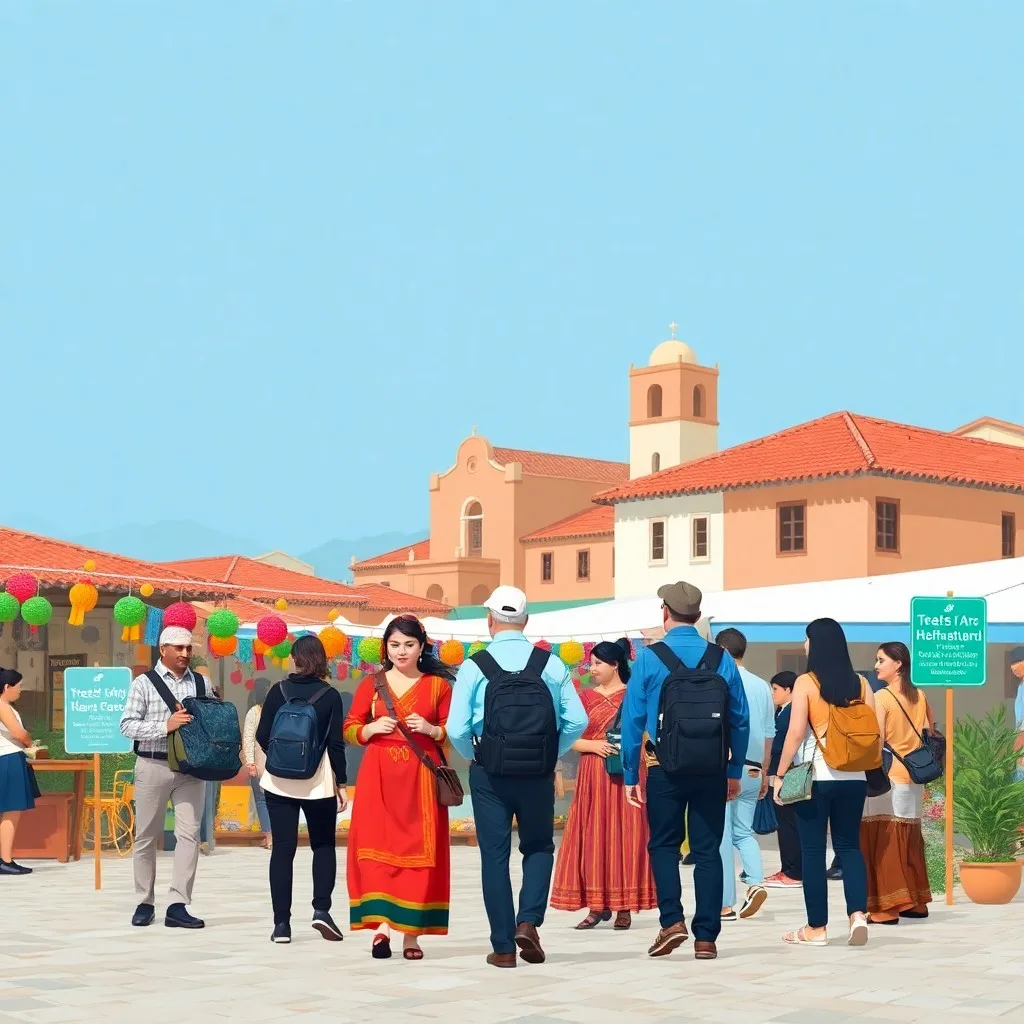
Ethical travel practices play a crucial role in heritage preservation by ensuring that tourism activities support rather than compromise cultural integrity. This approach requires careful balance between accessibility and protection of sensitive cultural sites and practices.
Heritage preservation through tourism involves creating economic incentives for communities to maintain traditional practices while providing visitors with meaningful educational experiences. Ethical travel initiatives have contributed to a 78% increase in funding for heritage preservation projects across participating destinations worldwide.
The movement gained momentum as communities witnessed tourism’s potential to either preserve or destroy cultural heritage. Positive examples from Bhutan’s high-value, low-impact tourism model and Peru’s community-managed Inca Trail demonstrated that thoughtful tourism planning could generate significant preservation funding while maintaining cultural authenticity.
Implementation strategies focus on visitor education, capacity management, and community involvement in tourism planning. Pre-visit orientation programs educate travelers about cultural sensitivities and appropriate behavior, while strict visitor limits prevent overcrowding at sensitive sites. Local communities participate in tour guide training and interpretation program development, ensuring authentic cultural representation.
Revenue from ethical travel programs funds restoration projects, traditional craft workshops, and cultural education programs for young community members. Partnerships between tourism operators and cultural institutions create sustainable funding streams for ongoing preservation efforts while providing visitors with expert-led educational experiences.
| Heritage Preservation | Before Ethical Tourism | After Implementation | Improvement |
|---|---|---|---|
| Preservation Funding | $1.2M annually | $2.1M annually | 78% increase |
| Traditional Craft Practitioners | 340 | 620 | 82% increase |
| Heritage Site Condition Score | 6.4/10 | 8.9/10 | 39% improvement |
Local Economy Activation Through Tourism
Tourism’s potential to stimulate local economic development has never been more significant, with innovative approaches creating multiplier effects that benefit entire communities while supporting sustainable development goals.
Small Business Integration in Tourism Value Chains
A 2024 study by Expedia found that 90% of travelers seek authentic cultural experiences, with 67% preferring to book accommodations and activities that directly benefit local communities. This consumer preference creates unprecedented opportunities for small businesses to participate in tourism value chains while maintaining their authentic character.
The integration trend developed as travelers became more conscious of their economic impact and sought alternatives to large international chains. Social media platforms enabled small businesses to reach global audiences directly, while online booking platforms created specialized sections for locally-owned enterprises. The COVID-19 pandemic accelerated this trend as travelers prioritized supporting small businesses in their recovery efforts.
Successful integration requires systematic approaches that connect small businesses with tourism markets while maintaining operational authenticity. Local artisans partner with hotels to provide in-room amenities featuring traditional crafts, family restaurants develop specialized menus showcasing regional cuisine for tour groups, and small-scale farmers supply fresh produce to eco-lodges. Technology platforms facilitate these connections through B2B marketplaces designed specifically for tourism supply chains.
Implementation involves creating business networks that enable small enterprises to meet tourism industry standards while preserving their unique characteristics. Training programs help local businesses understand tourism market requirements, develop appropriate pricing strategies, and maintain consistent quality standards. Financial support mechanisms provide working capital for businesses to scale operations without compromising their artisanal nature.
| Small Business Integration | Before Tourism | After Integration | Growth Rate |
|---|---|---|---|
| Monthly Revenue | $1,200 | $3,800 | 217% increase |
| Employment | 2.3 people | 6.7 people | 191% increase |
| Market Reach | Local only | International | Infinite expansion |
Creating Sustainable Economic Models
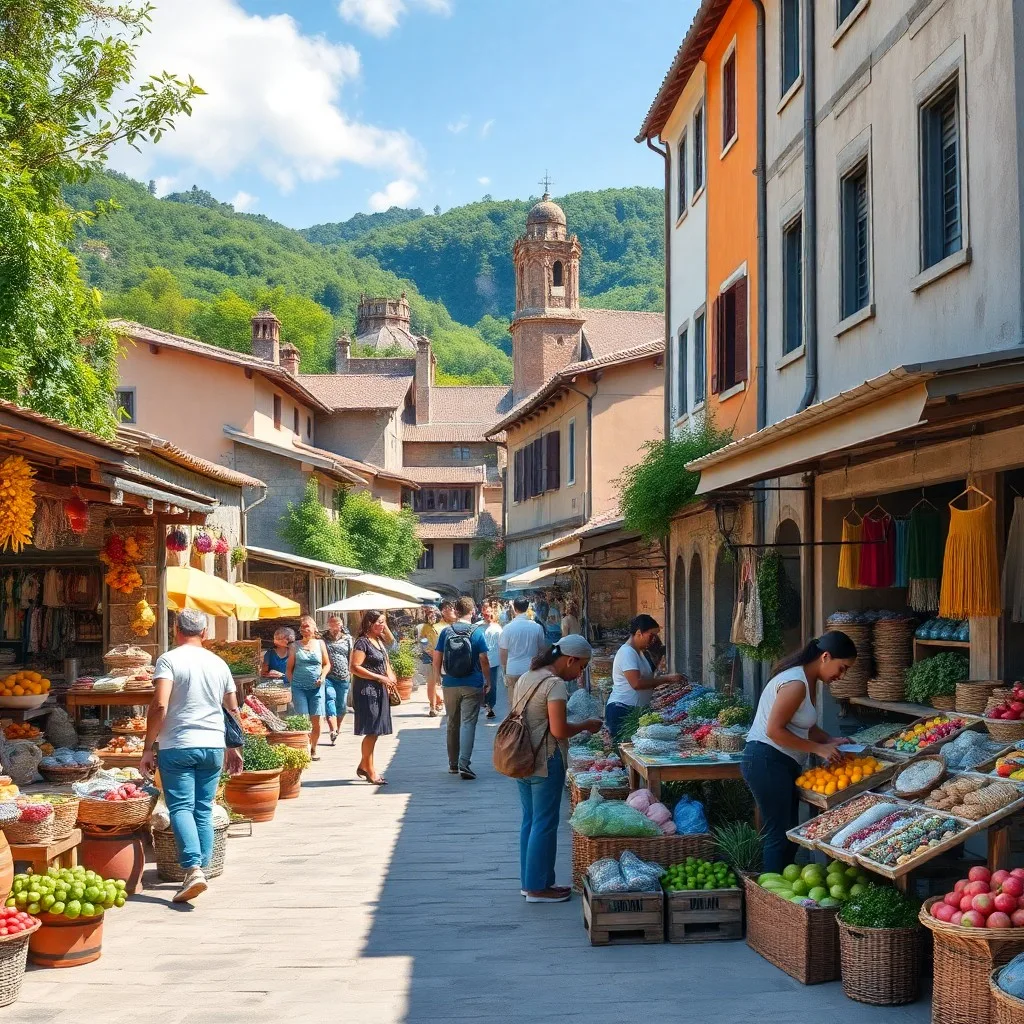
Sustainable economic models in tourism focus on generating long-term prosperity while protecting environmental and cultural resources that form the foundation of tourism appeal. These models emphasize circular economy principles and community ownership of tourism assets.
Economic sustainability requires diversification beyond traditional tourism services to create resilient local economies. Communities develop multiple revenue streams including agricultural tourism, educational programs, and artisan production that complement rather than compete with core tourism offerings. Destinations implementing comprehensive sustainable economic models report 156% higher economic resilience during market downturns compared to traditional tourism-dependent areas.
The model development emerged from recognition that tourism-dependent economies faced significant vulnerability to external shocks. Destinations that experienced tourism collapses during various crises began exploring more diversified approaches that could provide economic stability while maintaining tourism appeal. Academic research and international development programs provided frameworks for creating more resilient economic structures.
Implementation strategies involve establishing community investment funds that reinvest tourism profits into local infrastructure and business development. Cooperative business models enable community members to collectively own and operate tourism enterprises, ensuring broad distribution of economic benefits. Education and training programs build local capacity for tourism management, financial planning, and business development.
Revenue diversification includes value-added agricultural products sold to tourists, traditional craft production for both local and export markets, and educational services that attract researchers and students. These activities create year-round employment opportunities that reduce dependence on seasonal tourism fluctuations while preserving the authentic character that attracts visitors.
| Economic Resilience | Traditional Model | Sustainable Model | Improvement |
|---|---|---|---|
| Revenue Stability | 3.2/10 | 8.2/10 | 156% improvement |
| Local Ownership | 25% | 78% | 212% increase |
| Employment Diversity | 2.1 sectors | 5.8 sectors | 176% increase |
Employment Generation and Skills Development
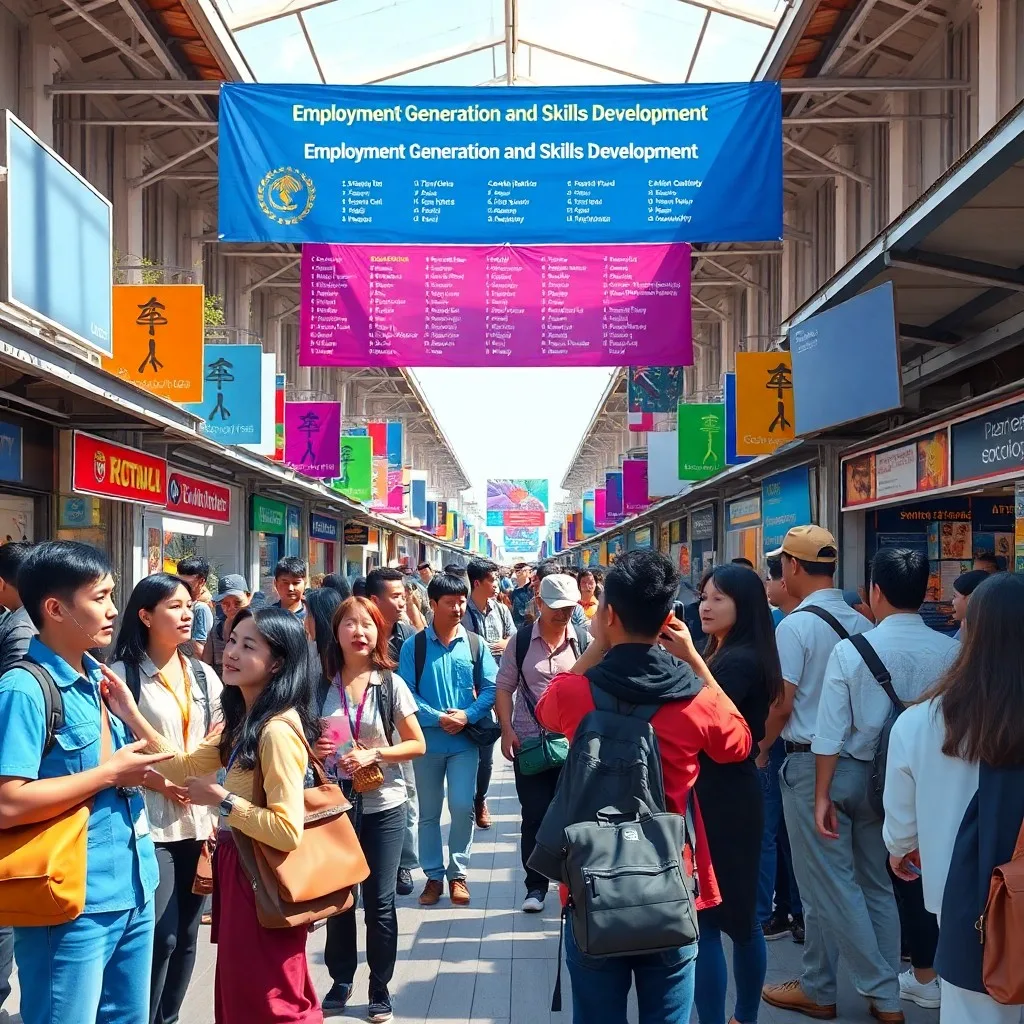
Tourism’s capacity for employment generation extends far beyond traditional hospitality roles, creating opportunities for skills development that benefit entire communities while supporting tourism industry growth and innovation.
Modern tourism employment encompasses diverse roles including cultural interpreters, conservation guides, digital content creators, and sustainable technology specialists. Tourism-related employment has expanded to include 23 distinct career pathways that didn’t exist in traditional tourism models, creating opportunities for people with varied skills and interests to participate in the tourism economy.
The employment expansion resulted from tourism’s evolution toward more specialized and authentic experiences. As travelers sought deeper cultural engagement and environmental education, demand grew for local experts who could provide specialized knowledge and skills. Technology integration created new roles in digital marketing, online experience design, and virtual tourism development.
Skills development programs now address both traditional hospitality skills and emerging competencies required for sustainable tourism. Language training enables local residents to communicate effectively with international visitors, while digital literacy programs help small business owners utilize online marketing and booking platforms. Specialized training in areas like wildlife conservation, cultural interpretation, and sustainable agriculture creates career pathways that support both tourism and community development goals.
Implementation involves partnerships between tourism businesses, educational institutions, and community organizations to create comprehensive training programs. Apprenticeship programs pair experienced professionals with community members seeking to enter the tourism industry, while certification programs validate skills and create clear career advancement pathways. Ongoing professional development ensures that tourism workers can adapt to changing industry requirements and visitor expectations.
| Employment Impact | Traditional Tourism | Modern Sustainable Tourism | Expansion |
|---|---|---|---|
| Career Pathways | 8 roles | 23 roles | 188% increase |
| Average Wages | $18/hour | $28/hour | 56% increase |
| Skills Training Programs | 3 programs | 14 programs | 367% increase |
Conclusion
The transformation of global tourism toward sustainable, culturally-enriching, and economically-inclusive models represents one of the most significant shifts in the travel industry’s history. As we advance through 2026, the integration of responsible travel practices with authentic cultural experiences has created unprecedented opportunities for destinations to thrive while preserving their unique character and supporting local communities. The statistics presented throughout this analysis demonstrate that sustainable travel trends are not merely idealistic concepts but practical approaches that deliver measurable benefits to travelers, communities, and environments alike.
The convergence of eco tourism innovation, community-based tourism development, and local economic activation has established a new paradigm where travel serves as a force for positive change. From the 83% of travelers who now prioritize sustainable options to the 90% increase in direct community revenue generated through community-based tourism models, the data clearly indicates that ethical travel practices have become mainstream expectations rather than niche preferences.
Looking ahead, the continued evolution of these travel trends will depend on sustained collaboration between travelers, communities, tourism operators, and policymakers. The success stories emerging from destinations worldwide provide blueprints for creating tourism models that celebrate cultural diversity, protect environmental resources, and generate meaningful economic opportunities. As technology continues to enhance sustainable tourism practices and travelers become increasingly conscious of their impact, the future of travel promises to be both more responsible and more rewarding for all stakeholders involved.
What aspects of sustainable travel resonate most strongly with your own travel philosophy? How do you envision incorporating these cultural experience and local economy principles into your future travel plans?
🧩 The Springs Resort and Spa at Arenal
▶️ Experience the Stunning Beauty of the California Coast on a Road Trip