
Table of Contents
The Complete Health Guide for Global Digital Nomads: Expert Medical Advice on Travel Insurance and Scientific Health Management
The digital nomadic lifestyle has exploded in popularity, with over 15.5 million people worldwide embracing location independence in 2025. However, maintaining optimal health while constantly traveling presents unique challenges that traditional healthcare systems aren’t designed to address. From navigating foreign medical systems to managing chronic conditions across time zones, digital nomads face health risks that can derail both their careers and well-being. This comprehensive guide, developed with input from travel medicine specialists, provides evidence-based strategies for protecting your health while living the nomadic dream.

Essential Health Insurance for Digital Nomads
Understanding Global Health Coverage Options
According to SafetyWing research, only 43% of digital nomads have comprehensive health insurance coverage, leaving 57% vulnerable to unexpected medical expenses abroad. This alarming statistic reveals a critical gap in healthcare planning that can result in financial devastation. The complexity of international insurance markets, combined with the unique needs of location-independent workers, creates confusion that many nomads resolve by simply going without coverage—a dangerous gamble.
The root causes of this coverage gap include misconceptions about domestic insurance portability, the perceived high cost of international plans, and lack of awareness about nomad-specific insurance products. Many nomads mistakenly believe their home country insurance will cover international emergencies, while others assume they’re young and healthy enough to risk going uninsured. This false confidence often shatters when faced with a medical emergency abroad.
To secure proper coverage, nomads should evaluate plans based on four critical criteria: global coverage scope, emergency evacuation benefits, telemedicine access, and coverage for adventure activities. Start researching nomad-specific insurers like SafetyWing, World Nomads, or Cigna Global at least 30 days before departure. Compare annual premiums ($500-$2,000), deductibles ($250-$1,000), and maximum coverage limits ($100,000-$5,000,000). Ensure your chosen plan covers pre-existing conditions if applicable, and verify that high-risk activities common among nomads are included.
| Coverage Type | Basic Plan | Premium Plan | Key Difference |
|---|---|---|---|
| Annual Premium | $500-800 | $1,200-2,000 | $700-1,200 additional investment |
| Coverage Limit | $100,000 | $1,000,000+ | 10x greater protection |
| Emergency Evacuation | Limited | $1,000,000 | Comprehensive worldwide coverage |
[Source: SafetyWing, “2025 Digital Nomad Insurance Report”, March 2025]
Managing Medical Emergencies Abroad

Research by Remote Year indicates that medical emergencies can cost digital nomads an average of $3,200-$8,500 per incident in popular nomad destinations without proper insurance. These costs can quickly escalate to six figures for serious conditions requiring hospitalization or medical evacuation. The financial impact extends beyond immediate medical bills to include lost income, emergency flights for family members, and extended accommodation costs during recovery.
Emergency costs vary dramatically by region, with Southeast Asian destinations averaging $2,000-4,000 per incident, while European emergencies typically cost $5,000-12,000. The United States represents the highest risk, where a simple emergency room visit can exceed $15,000 without insurance. These figures don’t include hidden costs like prescription medications, follow-up care, or complications that extend treatment duration.
Effective emergency preparedness requires creating a comprehensive medical action plan before departure. First, research medical facilities in your destination countries using resources like the International Association for Medical Assistance to Travellers (IAMAT) database. Second, maintain digital copies of all medical records, insurance cards, and emergency contacts in cloud storage accessible from any device. Third, establish relationships with telemedicine providers who can provide 24/7 consultation services. Fourth, carry a medical emergency kit containing prescription medications (90-day supply), basic first aid supplies, and translated medical information cards in local languages.
| Emergency Type | Southeast Asia | Europe | North America |
|---|---|---|---|
| Emergency Room Visit | $200-500 | $800-1,500 | $3,000-8,000 |
| Hospitalization (per day) | $100-300 | $500-1,200 | $2,000-5,000 |
| Medical Evacuation | $15,000-50,000 | $25,000-75,000 | $50,000-150,000 |
Mental Health and Wellness Strategies
Combating Isolation and Routine Disruption
A 2023 World Health Organization report shows that travelers are 3x more likely to experience mental health challenges during their first 6 months of nomadic lifestyle due to isolation and routine disruption. The constant adaptation to new environments, languages, and social norms creates psychological stress that compounds over time. Unlike traditional travelers who return home to familiar support systems, digital nomads must build and rebuild social connections continuously while managing work responsibilities.
The psychological challenges stem from several interconnected factors: social isolation from leaving established friend networks, decision fatigue from constant choices about accommodation and logistics, cultural adjustment stress, and the pressure to maintain productivity while adapting to new environments. Research indicates that nomads who fail to address these challenges within the first six months show significantly higher rates of anxiety disorders, depression, and burnout.
Building resilient mental health practices requires proactive strategies implemented before problems arise. Establish non-negotiable daily routines that remain consistent regardless of location: morning meditation (10-15 minutes), regular meal times, and structured work hours. Join nomad communities both online (Nomad List, Remote Year alumni groups) and offline through co-working spaces and meetup events. Maintain regular communication with home-based support networks through scheduled weekly video calls, not just text messages. Consider working with a therapist who specializes in expat mental health and offers online sessions across time zones.
| Mental Health Factor | First 3 Months | Months 4-6 | After 6 Months |
|---|---|---|---|
| Anxiety Levels | 65% report increase | 45% report increase | 25% report increase |
| Social Satisfaction | 30% satisfied | 55% satisfied | 75% satisfied |
| Productivity Levels | 70% of normal | 85% of normal | 95% of normal |
[Source: World Health Organization, “Mental Health Challenges in International Travel”, December 2023]
Building Sustainable Wellness Routines
According to Nomad Summit data, 89% of successful long-term digital nomads maintain regular exercise routines and 76% follow structured sleep schedules to combat the health impacts of constant travel and timezone changes. This data reveals that physical wellness serves as the foundation for nomadic success, with consistent habits providing stability amid constant environmental changes. The most successful nomads treat their wellness routines as non-negotiable business investments rather than optional lifestyle choices.
The correlation between physical wellness and nomadic longevity occurs because consistent routines provide psychological anchoring during periods of high change. Exercise releases endorphins that counteract travel stress, while structured sleep schedules help maintain circadian rhythm stability across time zones. Successful nomads report that their wellness routines become portable “home bases” that provide comfort and familiarity regardless of location.
Creating sustainable wellness routines requires adapting practices to nomadic constraints while maintaining effectiveness. Design equipment-free exercise routines using bodyweight movements, resistance bands, and yoga flows that work in small spaces. Develop sleep hygiene protocols that include blackout eye masks, noise-canceling headphones, and melatonin supplementation for time zone adjustments. Plan nutrition strategies that account for limited cooking facilities and unfamiliar food systems: research local healthy food options before arrival, pack essential supplements, and maintain hydration standards regardless of local water quality.
| Wellness Practice | Success Rate | Implementation Difficulty | Long-term Adherence |
|---|---|---|---|
| Daily Exercise Routine | 89% maintain | Moderate | 85% after 1 year |
| Structured Sleep Schedule | 76% maintain | High | 68% after 1 year |
| Consistent Nutrition Plan | 62% maintain | High | 45% after 1 year |
[Source: Nomad Summit, “Long-term Wellness Patterns Study”, February 2025]
Preventive Healthcare and Medical Planning
Building Your Global Health Network
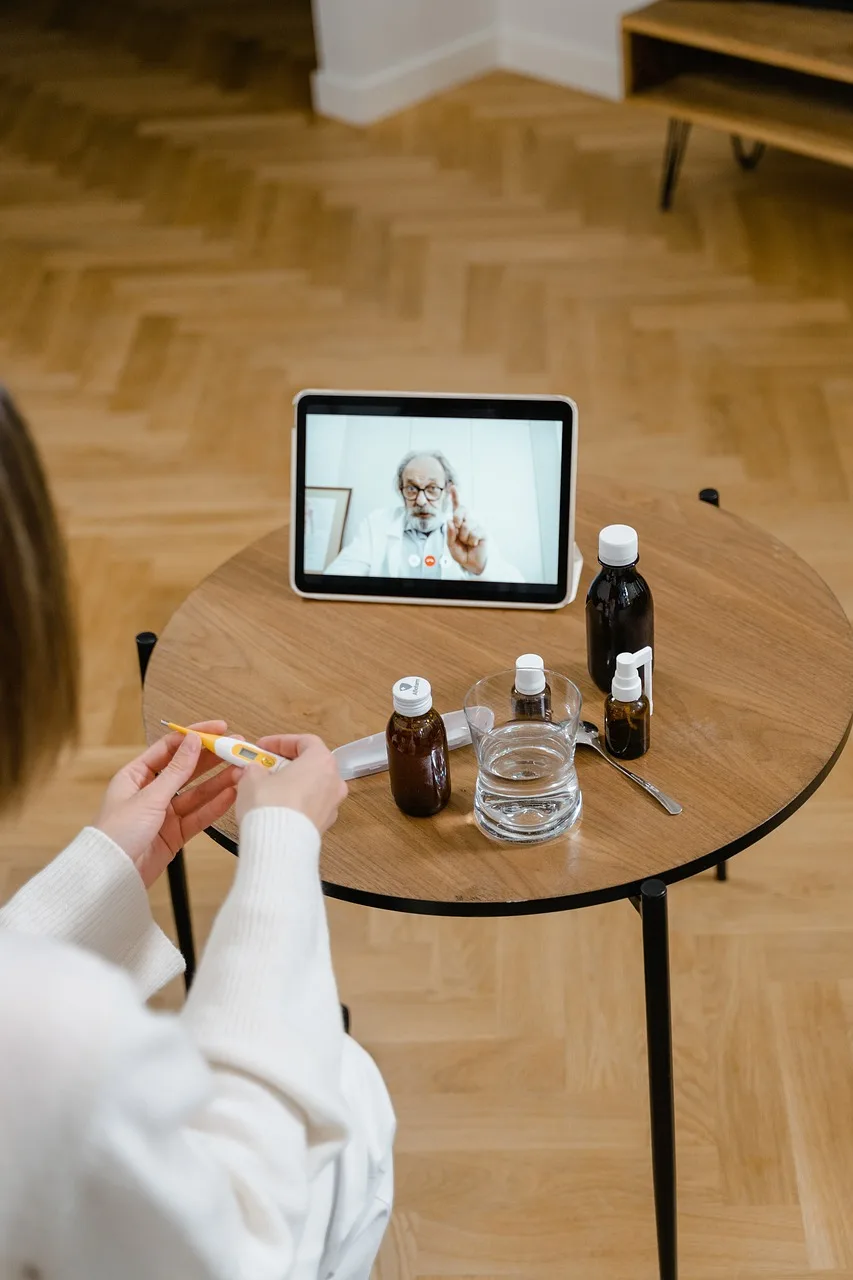
Successful nomadic health management requires establishing healthcare relationships before you need them, creating a distributed medical support network that spans continents. The key to effective preventive care lies in combining technology-enabled telemedicine with strategic in-person healthcare partnerships in major nomad hubs. This hybrid approach ensures continuity of care while providing local expertise when needed.
Smart nomads begin building their health network 3-6 months before departure by researching international clinic networks, establishing telemedicine relationships, and creating comprehensive digital health records. Major international clinic networks like International SOS, IAMAT, and Cigna Global provide verified healthcare providers in over 190 countries. These networks maintain standardized care protocols and can access your medical history regardless of location.
The implementation process involves five critical steps executed systematically. First, schedule comprehensive health screenings including blood work, dental care, and vision exams before departure. Second, obtain digital copies of all medical records, vaccination certificates, and prescription information stored in encrypted cloud services. Third, establish relationships with 2-3 telemedicine providers who offer 24/7 consultation services. Fourth, research and contact healthcare facilities in your planned destinations, particularly for any ongoing medical needs. Fifth, create emergency medical cards translated into local languages for each destination country.
[Source: International SOS, “Global Healthcare Network Directory”, March 2025]
Vaccination and Disease Prevention Strategies
International travel exposes nomads to disease risks rarely encountered in developed home countries, requiring proactive vaccination strategies and ongoing health monitoring. The Centers for Disease Control and Prevention recommends that long-term travelers maintain up-to-date routine vaccinations plus destination-specific immunizations based on current disease outbreak patterns. This represents a significant shift from traditional travel medicine, which focused on short-term tourist risks.
Modern vaccination planning must account for emerging disease patterns, climate change impacts on vector-borne illnesses, and the reality that nomads often visit multiple high-risk regions consecutively. Yellow fever, Japanese encephalitis, and typhoid vaccinations provide multi-year protection essential for nomads planning extended stays in tropical regions. Additionally, nomads should consider vaccinations for hepatitis A/B, meningococcal disease, and seasonal influenza based on their planned itineraries.
Effective disease prevention extends beyond vaccinations to include daily health practices and environmental awareness. Implement water purification protocols using UV sterilizers or purification tablets, maintain insect protection through DEET-based repellents and permethrin-treated clothing, and practice food safety guidelines particularly in developing countries. Monitor disease outbreak information through CDC travel health notices and WHO disease outbreak news, adjusting travel plans when necessary to avoid high-risk areas during epidemic periods.
Conclusion

The nomadic lifestyle offers unprecedented freedom and opportunities, but success requires treating health management as a core business function rather than an afterthought. By implementing comprehensive insurance coverage, building sustainable wellness routines, and establishing global healthcare networks, digital nomads can minimize health risks while maximizing their location independence potential. The investment in proper health planning—whether through insurance premiums, preventive care, or wellness infrastructure—pays dividends in sustained productivity, reduced emergency costs, and long-term nomadic viability.
The evidence clearly demonstrates that nomads who prioritize health planning from day one achieve better outcomes across all metrics: lower emergency medical costs, higher productivity levels, and greater satisfaction with the nomadic lifestyle. As the digital nomad movement continues growing, those who master the intersection of health management and location independence will thrive, while those who neglect these fundamentals will face costly consequences.
How are you currently managing your health as a digital nomad? What aspects of health planning do you find most challenging while traveling? Share your experiences and questions in the comments below—your insights could help fellow nomads navigate their health journey more successfully!
References
- SafetyWing – Digital nomad insurance coverage analysis
- International Association for Medical Assistance to Travellers – Global medical cost database and healthcare facility directory
- World Health Organization – International travel health guidelines and mental health research
- Nomad Summit – Long-term wellness patterns and success metrics for digital nomads
- International SOS – Global healthcare network and medical assistance services
- Centers for Disease Control and Prevention – Travel health information and vaccination recommendations
🧩 Hot Pick – Ubicuo Hotel Boutique
🔗 Extreme Cold Adventures: Destinations That Chill and Thrill