
Table of Contents
Introduction to Peruvian Cuisine
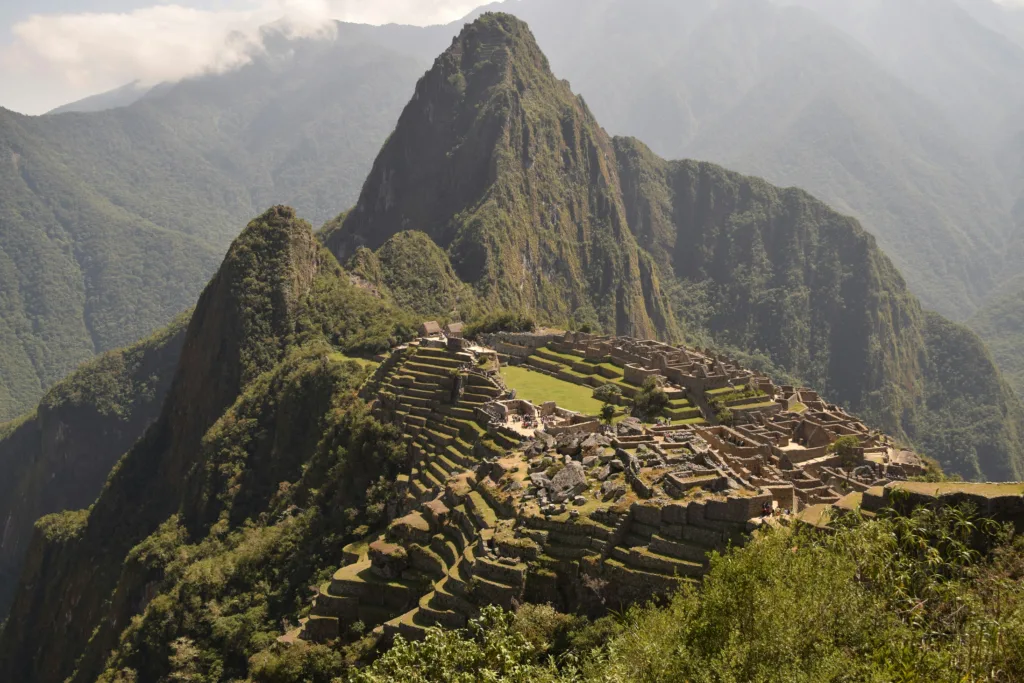
Peruvian cuisine is a vibrant and diverse culinary tradition that reflects the rich cultural tapestry of the country. Emerging from a heritage steeped in the Inca civilization, this cuisine is the result of centuries of evolution and fusion, shaped by the geography, climate, and myriad cultural influences that have come to define Peru.
The geographical diversity of Peru plays a crucial role in its culinary offerings. From the coastal regions to the Andean highlands and the Amazon rainforest, the country boasts an array of produce and ingredients that contribute to a remarkable palette of flavors. The coast, rich in fish and seafood, offers dishes such as ceviche, which showcases the freshness and variety of ocean delicacies. Meanwhile, the Andean region is known for its staple foods like potatoes, quinoa, and corn, which have been cultivated for thousands of years, bearing testimony to the agricultural expertise of ancient civilizations.
The interplay of indigenous traditions and Spanish colonial influences has significantly shaped Peruvian cuisine. Indigenous ingredients like ají peppers and native grains merged with European techniques and spices introduced by Spanish settlers, creating a dynamic culinary landscape. The incorporation of African, Asian, and Italian influences has further enriched this culinary tapestry, resulting in a fusion of flavors that can be seen in contemporary dishes.
Peruvian cuisine is thus a celebration of cultural heritage and biodiversity. It embodies a story of adaptation and innovation, showcasing how historical events and local ingredients combine to produce a distinctive culinary identity. As one embarks on a culinary exploration of Peru, the understanding of its rich history and diverse influences greatly enhances the appreciation of its traditional foods.
The Legacy of the Inca: Traditional Ingredients and Their Uses
The Inca civilization, renowned for its advanced agricultural practices, left an indelible mark on the culinary landscape of Peru. Central to this legacy are three traditional ingredients: quinoa, potatoes, and corn. Each of these staples not only reflects the resourcefulness of the Inca but also embodies the cultural significance that continues to resonate in contemporary Peruvian cuisine.
Quinoa, often referred to as a superfood in modern diets, was cultivated by the Incas for its adaptability and nutritional value. Rich in protein, fiber, and essential amino acids, quinoa served as a vital energy source for the Inca warriors and laborers. Traditionally, it was prepared as a porridge or grain substitute, but today it is found in a variety of dishes, ranging from salads to soups, demonstrating its enduring versatility.
Potatoes, another heritage crop originating in the Andean highlands, have a fascinating history intertwined with the Inca. The Incas cultivated thousands of potato varieties, skillfully developing techniques to store them for months. This adaptability allowed potatoes to thrive in diverse climates and altitudes. In modern Peruvian cooking, they serve as a base ingredient or a side dish in iconic recipes such as ‘causa’ and ‘papa a la huancaína.’
Lastly, corn holds a significant place in both the agricultural practices of the Incas and their rituals. Known for its various colors and uses, corn provided sustenance and was vital in religious ceremonies. Today, it remains a common ingredient in dishes such as ‘ceviche’ and ‘tamales,’ showcasing its enduring role in Peruvian cuisine. The transformation and adaptation of these ingredients from ancient times to their current uses illustrate the rich culinary heritage that defines Peru. Overall, the legacy of the Inca persists, manifesting in the traditional ingredients that continue to nourish and inspire Peruvian culture.
Uncovering Rare Ingredients from the Andes and Amazon Jungle
Peru’s rich biodiversity provides a treasure trove of rare and unique ingredients that are foundational to its culinary landscape. The Andes mountains and the Amazon jungle are home to an array of exceptional items that enhance traditional Peruvian dishes. These ingredients not only contribute to the flavor but also carry cultural significance, embodying the practices and identities of the indigenous peoples residing in these regions.
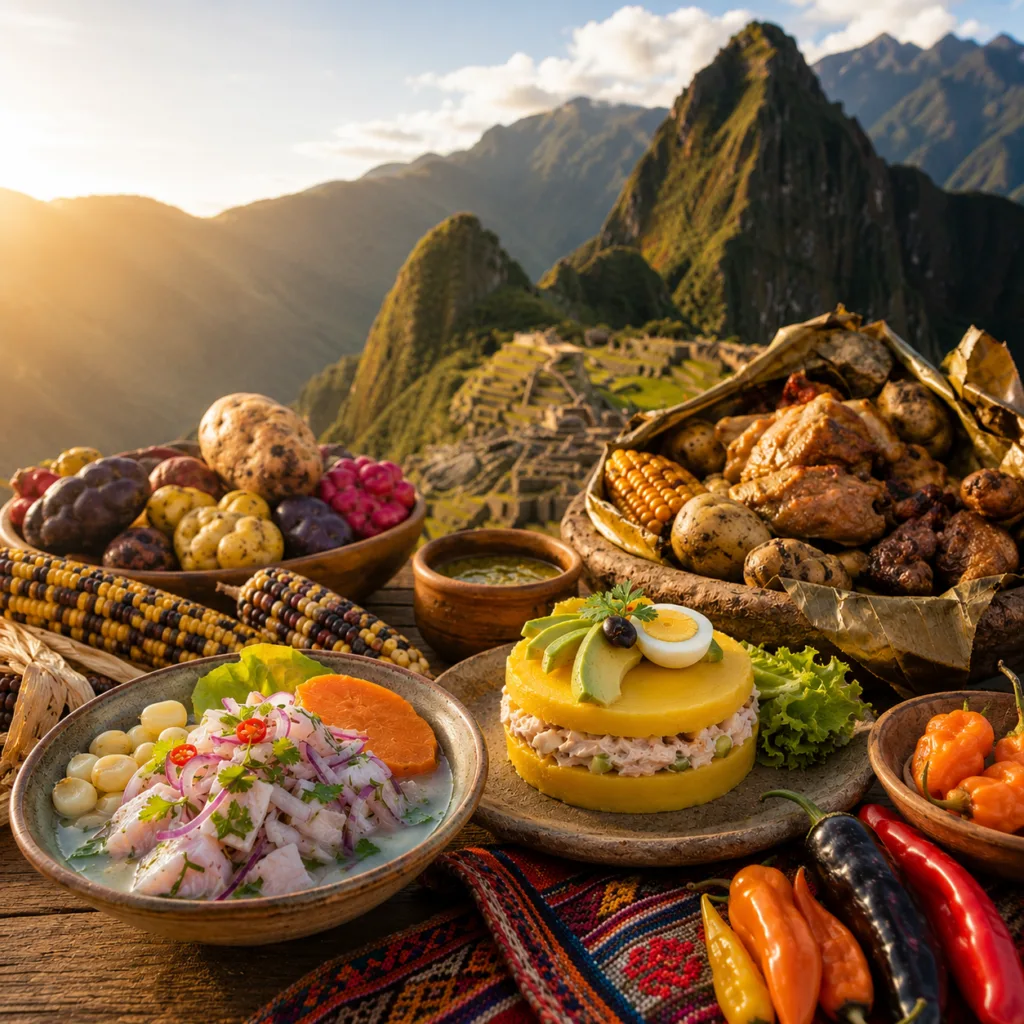
One of the most notable Amazonian fruits is the açaí berry, which has gained popularity globally but still maintains a revered status in its native habitat. Rich in antioxidants, this small, dark purple fruit is often used in smoothies or desserts, adding a distinct flavor and nutritional value. Another intriguing Amazonian commodity is the camu camu, a tart fruit that boasts one of the highest concentrations of vitamin C in the world. In traditional cooking, both fruits serve as vital components in various recipes, showcasing their versatility.
Turning to the Andes, we encounter an array of indigenous grains that define the culinary character of the region. Quinoa and kañiwa are prominent examples of ancient grains that have transcended local borders, becoming staples in global cuisine. These grains are not only revered for their health benefits but also for their adaptability in numerous dishes, from salads to main courses. Additionally, the use of native herbs such as culantro and huacatay adds an aromatic depth to Peruvian fare, seamlessly blending into both traditional and contemporary recipes.
The integration of these rare ingredients into modern culinary practices showcases the balance between preserving heritage and innovating within the kitchen. Chefs and home cooks alike are increasingly drawn to these native offerings, reflecting a broader trend of culinary exploration that emphasizes sustainability and authenticity. Peru’s gastronomy is enriched by the diverse and exceptional ingredients sourced from its highlands and jungles, making every dish a narrative of its natural bounty.
Culinary Culture in Cusco: A Market Experience
The bustling food markets in Cusco are more than just places to purchase ingredients; they represent the essence of Peruvian culinary culture and community life. As visitors enter these vibrant markets, they are greeted by a kaleidoscope of colors, sounds, and aromas. Local vendors proudly display an array of fresh produce, including native potatoes, vibrant corn varieties, and exotic fruits, all integral to traditional Peruvian cuisine. The market’s lively atmosphere is punctuated by the animated conversations of locals who share recipes, cooking tips, and their love for food.
As one navigates through the market stalls, the scent of various spices wafts through the air, each adding depth to the multitude of dishes that define Peruvian gastronomy. Here, one can find ají, the iconic chili pepper that adds a unique heat to many meals, as well as an expansive selection of herbs and spices that further enhance the flavor profiles of traditional dishes. Every corner of the market is a testament to Peru’s rich agricultural heritage, showcasing ingredients that locals have relied on for generations.
The significance of these market spaces extends beyond mere commerce. They serve as social hubs where community bonds are forged. Locals gather not just to shop, but to socialize, share stories, and maintain their cultural traditions. Festivals and culinary events often revolve around these markets, emphasizing the importance of food in Peruvian life. The respect for seasonal produce and sustainable practices resonates throughout the marketplace, as vendors prioritize fresh, locally sourced ingredients.
This dynamic interplay of food and culture is what makes the culinary landscape in Cusco truly unique. It is an invitation for travelers to engage intimately with the local lifestyle, encouraging them to appreciate the depth of traditional Peruvian flavors. Experiencing Cusco’s food markets offers not just an insight into the ingredients of the region, but a deeper understanding of the communal bonds and culinary traditions that define the heart of Peru.
Exploring Inca-Era Recipes: Dishes that Define Peru
Peruvian cuisine is deeply rooted in the cultural and agricultural traditions of the Inca civilization, yielding a variety of dishes that remain significant to this day. Prominent among these is Pachamanca, a dish emblematic of the ancient Incan respect for Earth, or “Pacha”. To prepare Pachamanca, an earth oven is utilized. Typically, meats such as lamb, pork, or chicken are marinated in local spices and layered with diverse ingredients including potatoes, sweet potatoes, and corn. This blend of flavors is then covered with hot stones and soil, creating a unique cooking environment that infuses the dish with exceptional depth and earthiness. The communal aspect of this preparation speaks to the Inca’s values of sharing and community, making it a staple during festivals and gatherings.
Another traditional dish that showcases Inca influence is Causa Rellena. Causa is primarily made using yellow potatoes, a staple crop cultivated by the Incas. The potatoes are boiled, mashed, and mixed with lime juice and ají chili, giving the dish a vibrant flavor profile. Once the potato mixture is prepared, it is layered with various fillings, including tuna, avocado, or chicken salad. The presentation often incorporates colorful garnishes, enhancing its visual appeal. Causa Rellena not only highlights the agricultural prowess of the Incas but also symbolizes their ingenuity in creating dishes that had both flavor and sustenance.
These recipes serve as a testament to the rich history of cuisine in Peru, reflecting the customs and agricultural practices of the previously flourishing Inca civilization. Understanding these traditional dishes provides insight into the vibrant culture that continues to evolve while honoring its ancestral roots.
Modern Interpretations of Ancient Recipes
Peru’s culinary landscape is marked by a fascinating fusion of history and innovation, particularly evident in the reinterpretation of ancient Inca recipes by contemporary chefs. This dynamic transformation showcases how traditional flavors can be preserved while utilizing modern culinary techniques and ingredients. Chefs throughout the nation are embracing heritage, often drawing inspiration from indigenous ingredients that have withstood the test of time.
One prominent example of this culinary marriage is the traditional Peruvian dish, cuy chactado. Historically prepared with simple seasonings and cooked over an open flame, modern chefs have embraced the essence of this dish but have enhanced its presentation and complexity. Today, it might be served with a fusion of sauces that incorporate local herbs and avant-garde techniques such as sous-vide cooking, allowing for precise temperature control and flavor infusion.
Another notable reinterpretation can be seen in dishes that feature aji de gallina, a creamy chicken dish that has been transformed into gourmet presentations, often accompanied by innovative sides like quinoa croquettes. This not only preserves the cultural significance of the dish but also introduces an updated aesthetic that appeals to a global audience. The modern culinary approach emphasizes texture, flavor contrasts, and plating styles that highlight the vibrant colors of Peruvian ingredients.
This evolution in Peruvian gastronomy reflects a broader trend where chefs are leveraging state-of-the-art techniques while remaining faithful to their roots. The result is a rich tapestry of flavors that honors the past yet embraces the future. By thoughtfully adapting ancient practices, contemporary chefs ensure that traditional foods remain relevant and appreciated, bridging generations and cultures in the process.
A Journey through Flavors: Dining Experiences in Peru
Peru, with its rich cultural heritage and diverse geography, offers a remarkable tapestry of culinary experiences that can satisfy any food enthusiast. From bustling street vendors to elegant dining establishments, the country provides numerous opportunities to explore its vibrant food scene. Street food is an essential part of Peruvian culture, where merchants serve an array of delectable dishes that are both accessible and enticing. Vendors often line the streets, enticing passersby with the aroma of anticuchos (grilled meat skewers) and salchipapas (fried potatoes and sausages), allowing visitors to experience authentic Peruvian flavors on the go.
Transitioning from street food to more formal dining, Peruvian cuisine has gained international recognition, with high-end restaurants showcasing traditional flavors and modern culinary techniques. These establishments typically emphasize the use of fresh, local ingredients, reflecting the country’s biodiversity. Dishes such as ceviche, which typically includes raw fish marinated in citrus juices, highlight Peru’s coastal resources, while the use of native ingredients such as quinoa and potatoes pays homage to the Andes. Dining in these upscale environments not only elevates classic dishes but also allows culinary artists to present their interpretations, creating a unique dining experience that fuses tradition and innovation.
Furthermore, the dining experiences in Peru often celebrate regional differences. For instance, the fusion of indigenous Inca elements with Spanish colonial influences can be observed in preparations unique to certain areas. In cities like Cusco, visitors can sample not only highland dishes but also fusion cuisines that inspire culinary adventures. Meanwhile, coastal cities like Lima boast a seafood culture that includes diverse preparations of fish and shellfish. All of these dining opportunities contribute to a multifaceted exploration of Peru’s culinary identity.
Food Festivals and Celebratory Dishes
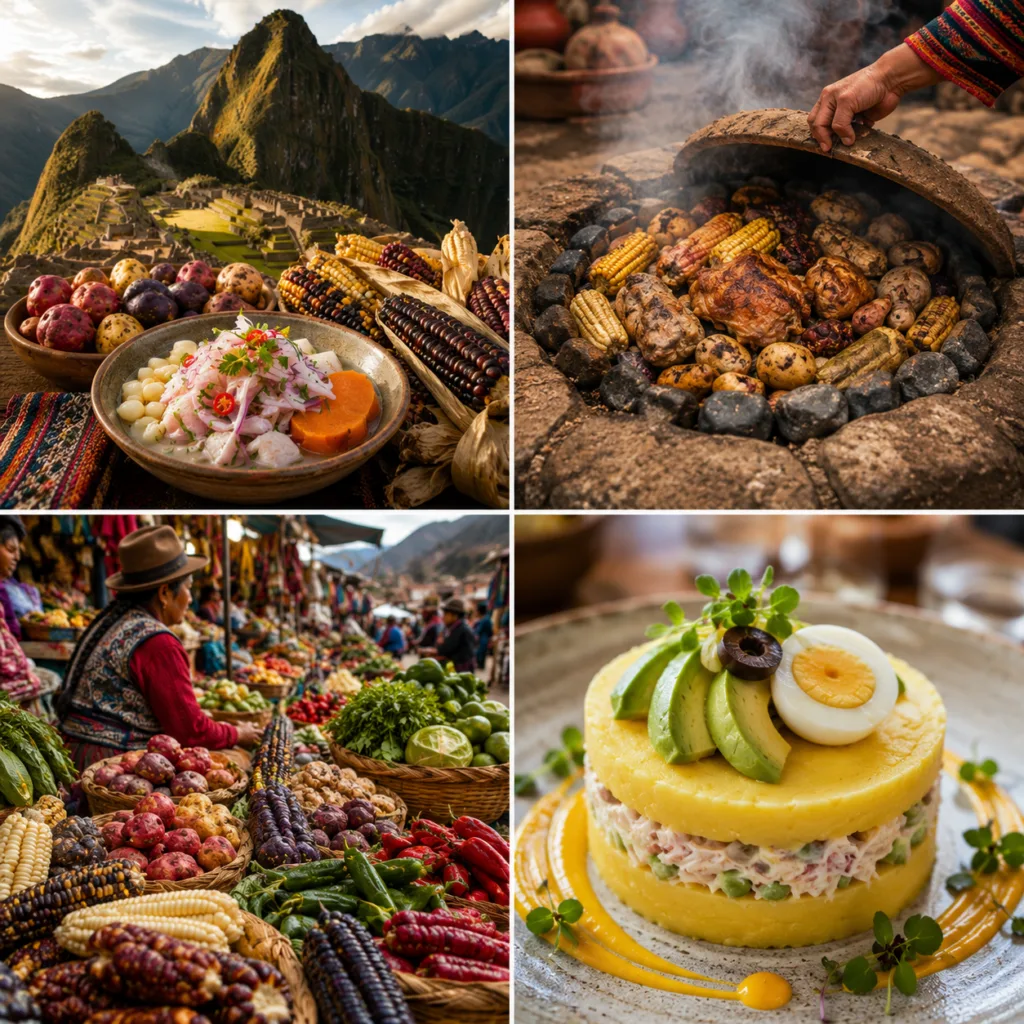
The rich cultural tapestry of Peru is vividly showcased through its numerous food festivals, which not only celebrate traditional gastronomy but also serve as a means of reinforcing community bonds. Two prominent festivals that illustrate the deep connection between food and cultural heritage are Inti Raymi and Semana Santa.
Inti Raymi, also known as the Festival of the Sun, is celebrated annually in Cusco during the winter solstice. This festival pays homage to the sun god Inti, a central figure in Incan mythology. During Inti Raymi, an array of traditional foods is prepared, with dishes like pachamanca taking center stage. Pachamanca is a unique dish where meat, potatos, and vegetables are cooked in an underground oven, infusing the ingredients with rich, earthy flavors. This communal effort in preparing food emphasizes the festival’s focus on family and social unity, as participants gather around to share the meal.
Another significant event is Semana Santa, or Holy Week, which precedes Easter. This celebration involves various religious rites culminating in feasting, where gastronomic delights reflect the fusion of indigenous and Spanish influences. Throughout the week, traditional dishes such as ayacas (a type of tamale) and different fish preparations are enjoyed among families and friends. Both religious observances and communal meals intertwine during this week, with food being considered a vital manifestation of faith and cultural identity.
Through these festivals, food acts as more than sustenance; it plays a pivotal role in the rituals and celebrations that define communal identities in Peru. The preparation and sharing of traditional dishes during these events highlight how gastronomy acts as a conduit for cultural expression, embodying the historical narratives and values of Peruvian society.
Conclusion: The Unforgettable Peruvian Gastronomic Journey
As we have discovered throughout this exploration of Peruvian cuisine, the culinary landscape of Peru is a rich tapestry woven from diverse cultural influences and regional ingredients. Each dish tells a story, reflecting the heritage of indigenous peoples, colonial influences, and the dynamism of contemporary culinary practices. The journey through the vibrant flavors of ceviche, the hearty warmth of lomo saltado, and the unique tastes of causa reveal not only the depth of tradition but also the innovative spirits of modern Peruvian chefs.
The importance of preserving these traditional foods and recipes cannot be overstated. They are crucial to maintaining cultural identity and heritage, while also providing a sense of continuity for future generations. At the same time, embracing modern influences allows for artistic interpretations and adaptations, thus keeping the culinary scene vibrant and exciting. It is this balance between tradition and innovation that characterizes Peruvian gastronomy, making it an ever-evolving field of exploration.
This gastronomic journey invites food enthusiasts to delve deeper into the wonders of Peruvian cuisine. Whether through traveling to the highlands for a taste of fresh potatoes or visiting coastal towns for the finest seafood, each experience adds a layer to one’s culinary understanding. A visit to Peru can be more than just a taste journey; it can be an immersive experience that highlights the significance of local traditions and the celebration of identity through food.
We encourage readers to embark on their own culinary adventures and taste the unique flavors that make Peruvian cuisine a source of pride for the nation. By engaging with these traditional dishes, one not only enjoys an unforgettable gastronomic experience but also contributes to the preservation and appreciation of a vibrant culinary heritage.
Exploring Fusion Delights Found in Traditional Markets
🧩 Jeju Island Preview – blog.jejumon.com