
This guide serves as a culinary compass for foodies exploring international cuisines during their travel adventures. Learn how history, modern trends, and cultural etiquette shape the unique flavors of every 여행 (travel) destination to ensure your journey is as enlightening as it is delicious.
Table of Contents
The Importance of Global Gastronomy in International 여행 (travel)
Global gastronomy is a vital component of international travel because it merges cultural discovery with sensory delight, offering a profound understanding of a destination’s soul. Navigating international culinary landscapes serves as a compass for foodies, allowing them to transform every meal into an educational and unforgettable experience.
Historical Factors Shaping Global Food Landscapes
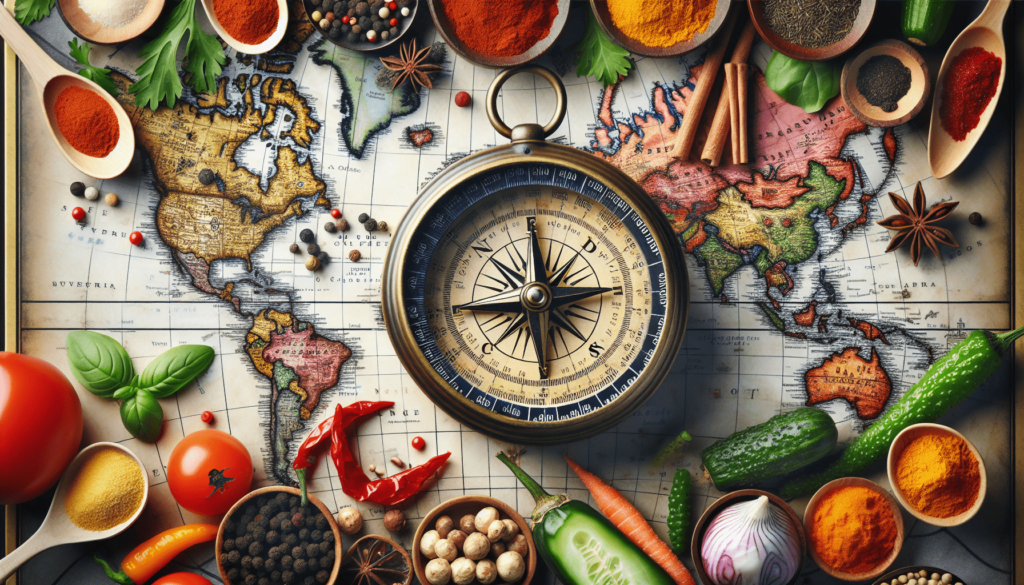
The diversity of modern cuisine is rooted in ancient trade routes and colonial history. The Silk Road was instrumental in introducing Asian spices to Europe, while the Age of Exploration in the 15th and 16th centuries enabled the global exchange of crops like potatoes and tomatoes. Key historical drivers include The Spice Trade, which distributed cinnamon and black pepper, and Colonial Influence, which created fusion staples such as tea in India and chili peppers in Asia.
Modern Trends Influencing Contemporary 여행 (travel) Gastronomy
Contemporary gastronomy is currently driven by sustainability, health awareness, and global fusion. Three primary movements define the modern scene: the Farm-to-Table Movement, which prioritizes locally sourced seasonal ingredients; the rise of Plant-Based and Vegan Options due to environmental concerns; and Fusion Cuisine, which blends distinct traditions to create innovative dishes like sushi tacos or Korean BBQ pizza.
Essential Culinary Concepts for International Foodies
To fully appreciate local dishes, travelers should understand fundamental concepts such as Umami, the savory “fifth taste” identified in Japan. Other critical terms include Molecular Gastronomy, which applies scientific principles to create culinary foams and gels, and the Slow Food Movement, an Italian initiative promoting regional traditions and mindful eating as an alternative to fast food.
Practical Preparation for Culinary 여행 (travel) Adventures
Successful culinary exploration requires proactive research on iconic dishes and dining etiquette, such as understanding that slurping noodles is polite in Japan. When navigating street food, travelers should look for high turnover vendors to ensure freshness for items like Pad Thai. For fine dining, it is recommended to secure Michelin-star reservations months in advance, while beverage pairing with local spirits or sake can significantly enhance the flavor profile of a meal.

Case Studies in Gastronomy: Japan and Italy
Japan and Italy exemplify how historical traditions evolve into world-renowned cuisines. Japanese Cuisine (Washoku), influenced by Shinto and Buddhist beliefs, emphasizes simplicity and has earned UNESCO Intangible Cultural Heritage status. Italian Cuisine is defined by regional diversity and its leadership in the Slow Food Movement. Both nations successfully balance traditional recipes, like Kaiseki or Neapolitan pizza, with modern molecular experimentation.

The Future of Culinary Exploration and Ethical 여행 (travel)
The future of food travel will be shaped by ethical sourcing, zero-waste cooking, and technology such as virtual reality dining. As travelers seek cultural identity through food, the emphasis on sustainable production will grow. Culinary tourism remains a powerful tool for boosting local economies and preserving the unique stories behind every destination‘s traditional dishes.
Credible Sources:
1. Salt: A World History by Mark Kurlansky
2. National Geographic – The Silk Road
3. UNESCO – Washoku traditions
4. Slow Food International Principles
Related site – Garima Arora Makes Culinary History
Taste Travels: A Delicious Journey Across International Cuisine
| Category | Key Concept | Details & Examples |
|---|---|---|
| Historical Influences | Ancient Trade & Exploration | The Silk Road introduced Asian spices to Europe; the Age of Exploration enabled the global exchange of potatoes and tomatoes. |
| Modern Trends | Contemporary Movements | Farm-to-Table (local sourcing), Plant-Based options, and Fusion Cuisine (e.g., sushi tacos or Korean BBQ pizza). |
| Culinary Philosophy | Slow Food vs. Molecular | Slow Food focuses on regional traditions and mindful eating; Molecular Gastronomy uses science to create foams and gels. |
| Practical Preparation | 여행 (travel) Strategy | Researching etiquette (e.g., slurping in Japan), choosing high-turnover street food vendors, and booking Michelin-star venues early. |
| Case Studies | Japan & Italy | Japan’s Washoku (UNESCO Heritage) emphasizes simplicity; Italy leads the Slow Food Movement with immense regional diversity. |
자주 묻는 질문 (FAQ)
- Q. What historical factors have most significantly shaped the diversity of modern global cuisine?
A. The diversity of modern cuisine is primarily rooted in ancient trade routes like the Silk Road, which introduced Asian spices to the West, and the Age of Exploration, which facilitated the global exchange of staple crops such as potatoes, tomatoes, and chili peppers. - Q. What are the primary modern trends currently influencing international 여행 (travel) gastronomy?
A. Current trends include the Farm-to-Table movement prioritizing seasonal local ingredients, the rise of plant-based and vegan options due to environmental concerns, and Fusion Cuisine which blends distinct traditions like Japanese and Mexican flavors. - Q. How can food-focused travelers ensure a high-quality experience when exploring local street food or fine dining?
A. For street food, travelers should look for vendors with high turnover to ensure ingredient freshness. For fine dining, it is recommended to secure Michelin-star reservations months in advance and explore beverage pairings, like sake or local spirits, to enhance the meal.