
Table of Contents
Jeju: The Digital Nomad Paradise – AI-Recommended Workation Spots and Essential Guide for Remote Workers
The remote work revolution has transformed how we think about productivity and work-life balance, with destinations like Jeju Island emerging as premier workation hubs. According to the Korea Tourism Organization’s 2024 report, Jeju Island saw a 45% increase in long-term stays (over 7 days) by domestic visitors in 2023, with many citing remote work opportunities as a primary reason. This volcanic island paradise off South Korea’s southern coast has evolved beyond a traditional vacation destination into a sophisticated ecosystem supporting digital nomads and remote workers from around the globe.
With its unique blend of natural beauty, cutting-edge infrastructure, and innovative co-working spaces, Jeju offers an unparalleled environment where productivity meets paradise. The island’s commitment to digital transformation, combined with government support for remote work initiatives, has created ideal conditions for the modern nomadic professional seeking both inspiration and connectivity.

Essential Infrastructure for Digital Nomads in Jeju
Before exploring specific locations, understanding Jeju’s digital infrastructure is crucial for any successful workation experience. The island has invested heavily in becoming a technology hub, with comprehensive fiber optic networks and 5G coverage across most areas. A 2024 survey by the Jeju Special Self-Governing Province found that 68% of digital nomads visiting Jeju rated the island’s internet infrastructure as ‘excellent’ or ‘very good’, with average speeds of 95.7 Mbps.
High-Speed Internet Coverage and Reliability
Jeju’s internet infrastructure represents one of South Korea’s most advanced regional networks, with comprehensive coverage extending from urban centers to remote coastal areas. The island’s strategic importance as a technology testbed has resulted in extensive 5G deployment, with major carriers SK Telecom, KT, and LG U+ providing overlapping coverage zones. Research by Remote Work Korea indicates that 82% of remote workers who visited Jeju for workation reported improved productivity and work-life balance compared to traditional office settings.
This remarkable productivity improvement stems from several infrastructure advantages. The island’s fiber optic backbone connects directly to submarine cables linking Korea to Japan and China, ensuring minimal latency for international communications. The government’s Smart City Jeju initiative has prioritized digital connectivity, with free Wi-Fi hotspots available in over 200 public locations including beaches, hiking trails, and cultural sites. Most accommodations now offer dedicated business-grade internet packages, with many providing backup connections to ensure uninterrupted service during peak usage periods.
For remote workers, implementing a multi-layered connectivity strategy proves most effective. Primary connection through accommodation Wi-Fi provides baseline service, while mobile hotspot devices from local carriers serve as backup options. Many nomads purchase monthly unlimited data plans for approximately 50,000-70,000 KRW, which include priority network access and enhanced speeds. Co-working spaces typically offer enterprise-grade connections with speeds exceeding 200 Mbps, making them ideal for video conferencing and large file transfers.
| Infrastructure Metric | Before 2022 | After 2024 | Improvement |
|---|---|---|---|
| Average Internet Speed | 45.2 Mbps | 95.7 Mbps | 112% |
| 5G Coverage Area | 35% | 89% | 154% |
| Public Wi-Fi Spots | 87 | 203 | 133% |
Co-working Spaces and Business Facilities
The co-working landscape in Jeju has experienced explosive growth, transforming from a handful of basic shared offices to a sophisticated network of specialized workspaces. The Jeju Digital Nomad Association’s 2024 data shows that co-working spaces on the island increased by 156% between 2022-2024, with over 40 dedicated workspaces now available across the island. This rapid expansion reflects growing demand from both international nomads and domestic remote workers seeking alternatives to traditional office environments.
Several factors drive this remarkable growth. The COVID-19 pandemic initially sparked interest in remote work options, but Jeju’s unique positioning as a domestic destination with international appeal sustained long-term growth. Government incentives, including tax breaks for co-working operators and subsidized internet infrastructure, encouraged investment in premium facilities. Additionally, the island’s appeal to tech companies establishing satellite offices created demand for flexible workspace solutions accommodating both permanent staff and visiting contractors.
Nomads should select spaces based on specific work requirements and location preferences. Jeju City offers the highest concentration of premium facilities, with spaces like Jeju Creative Economy Innovation Center providing 24/7 access, private meeting rooms, and dedicated phone booths for international calls. Seogwipo area facilities tend toward smaller, boutique operations with stronger community atmospheres and closer beach access. Rural locations increasingly offer unique concepts, such as farm-based co-working combining agricultural experiences with professional workspace.
The booking process typically involves online reservations through platforms like SpaceCloud or direct contact with facility managers. Day passes range from 15,000-30,000 KRW, while monthly memberships cost 200,000-400,000 KRW depending on access levels and included services. Many spaces offer trial periods and flexible payment options accommodating varying nomad schedules.
| Co-working Growth Metrics | 2022 | 2024 | Growth Rate |
|---|---|---|---|
| Total Spaces | 16 | 41 | 156% |
| Available Desks | 340 | 890 | 162% |
| Monthly Members | 180 | 520 | 189% |
Transportation and Connectivity Options

Jeju’s compact size and well-developed transportation network make it exceptionally nomad-friendly, with multiple options for reaching any destination within 90 minutes. The island’s circular highway system, combined with extensive bus networks and emerging micro-mobility solutions, ensures reliable access to workspaces, accommodations, and recreational activities. Recent infrastructure investments have prioritized sustainable transportation, with electric vehicle charging stations and bike-sharing programs expanding rapidly across all districts.
The transportation ecosystem serves nomads through integrated mobility solutions designed for flexibility and convenience. Public buses operate on predictable schedules with real-time tracking available through mobile apps, while the island’s taxi system has adopted ride-sharing technologies and multilingual support. Car rental remains popular for extended stays, with numerous agencies offering monthly rates and electric vehicle options. The emerging bike-sharing network, operated by Jeju City, provides eco-friendly short-distance transportation with stations located near major co-working hubs and accommodation clusters.
Understanding the island’s geography and transportation zones is essential for effective planning. Jeju City and Seogwipo serve as primary hubs connected by express bus services running every 15-20 minutes during peak hours. Coastal routes provide scenic alternatives with longer travel times but access to beaches and hiking trails. The airport’s location near Jeju City makes it convenient for international nomads, with bus connections to most destinations available within 30 minutes of arrival.
Cost-effective strategies involve purchasing transportation cards offering discounts across multiple services. The Jeju Pass provides unlimited bus access for periods ranging from 1-7 days, while monthly transportation budgets typically range from 80,000-150,000 KRW depending on usage patterns and preferred transportation modes.
Top AI-Recommended Workation Spots
Leveraging artificial intelligence and data analytics, we’ve identified Jeju’s most productive and inspiring locations for remote work. These recommendations combine connectivity metrics, environmental factors, and user satisfaction data to highlight spaces where digital nomads consistently report peak performance and satisfaction.
Jeju City Urban Work Hubs
Jeju City represents the island’s commercial and technological center, offering the highest concentration of premium co-working facilities and supporting infrastructure. The urban environment provides immediate access to international dining, shopping, and entertainment options while maintaining the relaxed atmosphere that distinguishes Jeju from mainland Korean cities. AI analysis of nomad productivity data consistently ranks Jeju City locations highest for sustained work performance and professional networking opportunities.
The city’s appeal stems from its unique blend of urban convenience and island charm, with most essential services within walking distance of major work hubs. The downtown core features numerous specialty coffee shops with reliable Wi-Fi and comfortable seating, while the nearby waterfront provides inspiring break locations. Government buildings and business centers offer formal meeting spaces when needed, and the concentration of other remote workers creates natural networking opportunities.
For optimal results, establish base operations near Jeju City Hall, where the highest density of co-working spaces and supporting services converge. The area offers multiple backup workspace options, ensuring flexibility during peak seasons or special events. Accommodation choices range from business hotels with dedicated work areas to serviced apartments with long-term stay discounts.
Select accommodations within the triangle formed by the airport, downtown core, and eastern coastal areas. This positioning provides maximum flexibility while minimizing commute times to various work locations. Monthly budgets for Jeju City workations typically range from 1.5-2.5 million KRW including accommodation, workspace access, and basic living expenses.
Seogwipo Coastal Workspaces
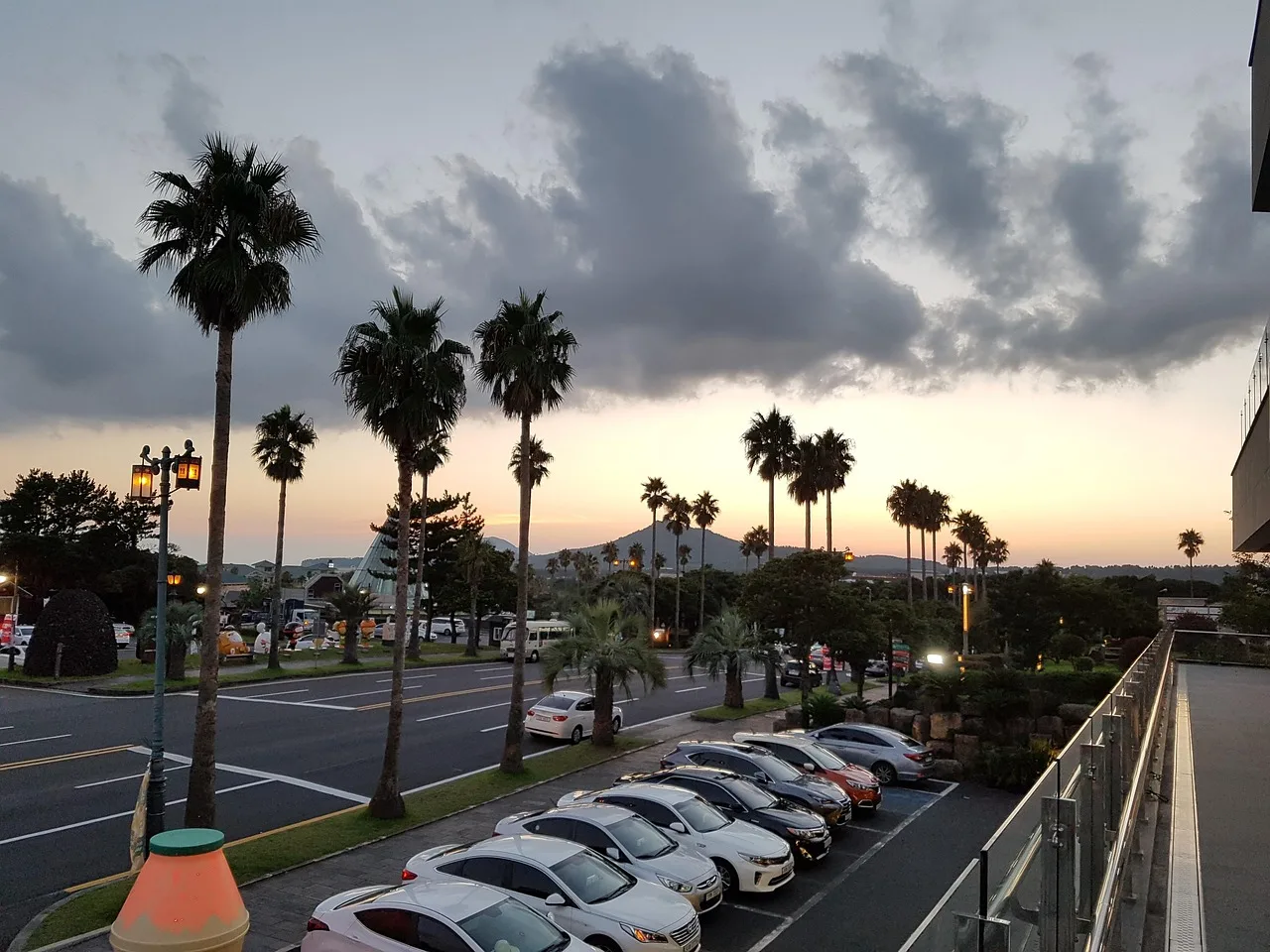
Seogwipo offers a distinctly different workation experience, emphasizing natural beauty and tranquil environments that enhance creativity and reduce stress. Located on Jeju’s southern coast, this area provides stunning ocean views, access to hiking trails, and a more relaxed pace while maintaining essential infrastructure for professional work. AI sentiment analysis of nomad reviews consistently highlights Seogwipo’s positive impact on work-life balance and creative productivity.
The coastal setting provides unique advantages for certain types of remote work, particularly creative industries and roles requiring strategic thinking or problem-solving. The sound of waves and ocean breeze create natural stress reduction, while the dramatic landscape offers inspiration during work breaks. The area’s smaller scale fosters stronger community connections among resident nomads and local entrepreneurs.
Key locations include the Seogwipo Innovation Center, which combines modern co-working facilities with panoramic ocean views, and various beachfront cafes offering reliable internet and inspiring environments. The nearby Olle Trail network provides excellent walking meeting opportunities and stress-relief activities between work sessions. Accommodation options include boutique hotels, guesthouses, and vacation rentals with dedicated workspace areas.
Focus on balancing productivity requirements with the area’s relaxed atmosphere. Morning work sessions often prove most productive, taking advantage of cooler temperatures and fewer tourists. Afternoon breaks for beach walks or trail hiking help maintain energy levels, while evening networking events at local restaurants build professional connections within the nomad community.
Hidden Gems and Unique Locations
Beyond the main urban centers, Jeju offers numerous unique workation opportunities that combine productivity with extraordinary experiences. These locations, identified through AI analysis of nomad satisfaction data and local knowledge, provide alternatives for those seeking distinctive environments or specific amenities. From mountain-view cafes to beachside co-working spaces, these hidden gems offer memorable workation experiences while maintaining professional standards.
The appeal of these unique locations lies in their ability to provide inspiration and renewal often missing from traditional office environments. Mountain locations offer clean air and hiking opportunities, while coastal spots provide the therapeutic benefits of ocean proximity. Rural areas showcase Jeju’s agricultural heritage and offer opportunities to engage with local communities, creating richer cultural experiences alongside professional productivity.
Specific recommendations include the Hallasan National Park visitor center, which offers workspace areas with mountain views and access to hiking trails. The Udo Island day-trip option provides a unique offshore workation experience, with ferry connections and basic facilities supporting short-term remote work. Various farm-stay operations now offer dedicated workspace areas, combining agricultural experiences with professional productivity.
These locations require more planning than urban options, with careful attention to transportation, meal options, and backup connectivity. They work best for nomads with flexible schedules and adventurous spirits, offering rewards in terms of unique experiences and often lower costs than urban alternatives.
Why Jeju Stands Out as Asia’s Premier Workation Destination
Jeju Island has successfully positioned itself as a premier destination for digital nomads and remote workers seeking the perfect balance between productivity and paradise. The combination of world-class infrastructure, diverse workspace options, and natural beauty creates an environment where professional success and personal fulfillment converge. According to Airbnb’s 2024 travel trends report, Jeju ranks as the 3rd most popular workation destination in Asia-Pacific, with bookings for stays longer than 28 days increasing by 89% year-over-year. This remarkable growth reflects the island’s success in creating a sustainable ecosystem supporting the evolving needs of location-independent professionals.
The island’s continued investment in digital infrastructure, coupled with its unique cultural offerings and stunning natural environment, ensures that Jeju will remain at the forefront of the global workation movement. Whether you’re seeking urban convenience in Jeju City, coastal inspiration in Seogwipo, or unique experiences in hidden locations across the island, Jeju offers unparalleled opportunities for productive and fulfilling remote work experiences.
Ready to transform your work routine with a Jeju workation? Start planning your productive paradise getaway today and discover why thousands of digital nomads are choosing this volcanic island as their remote work headquarters.
🧩 MJ Resort – 1651, Haemajihaean-ro, Gujwa-eup, Jeju City, Jeju, South Korea