
Table of Contents
Submarine Travel and Aviation Technology Convergence: Future Travel Trends and Safety Challenges in 2026
Submarine Travel: The convergence of submarine tourism and aviation technology is revolutionizing the travel industry in unprecedented ways. As we navigate through 2026, this unique fusion creates extraordinary underwater experiences that combine the safety protocols of air travel with the adventure of deep-sea exploration. The global submarine tourism market has reached $1.2 billion, demonstrating the growing appetite for innovative travel experiences that push the boundaries of traditional tourism. This emerging sector represents a paradigm shift in how we perceive adventure travel, incorporating cutting-edge aviation technology systems into underwater vessels to ensure passenger safety while delivering unforgettable journeys beneath the ocean’s surface.
The integration of aviation-grade safety systems into submarine tourism operations has become a game-changer for the industry. Modern submarine tour operators increasingly adopt oxygen management systems, pressure regulation technologies, and emergency protocols originally developed for commercial aircraft. This technological crossover addresses the fundamental challenge of maintaining safe, controlled environments in extreme conditions, whether at 30,000 feet altitude or 300 feet underwater. Travel technology innovations enable submarine operators to offer experiences that were previously impossible, creating new opportunities for adventure seekers who desire both safety and excitement.
Advanced Safety Integration in Submarine Tourism Operations
The submarine tourism industry has undergone dramatic transformation following high-profile safety incidents, with operators now prioritizing aviation-grade safety protocols to rebuild consumer confidence and establish new industry standards.
Aviation-Derived Safety Systems in Underwater Vessels
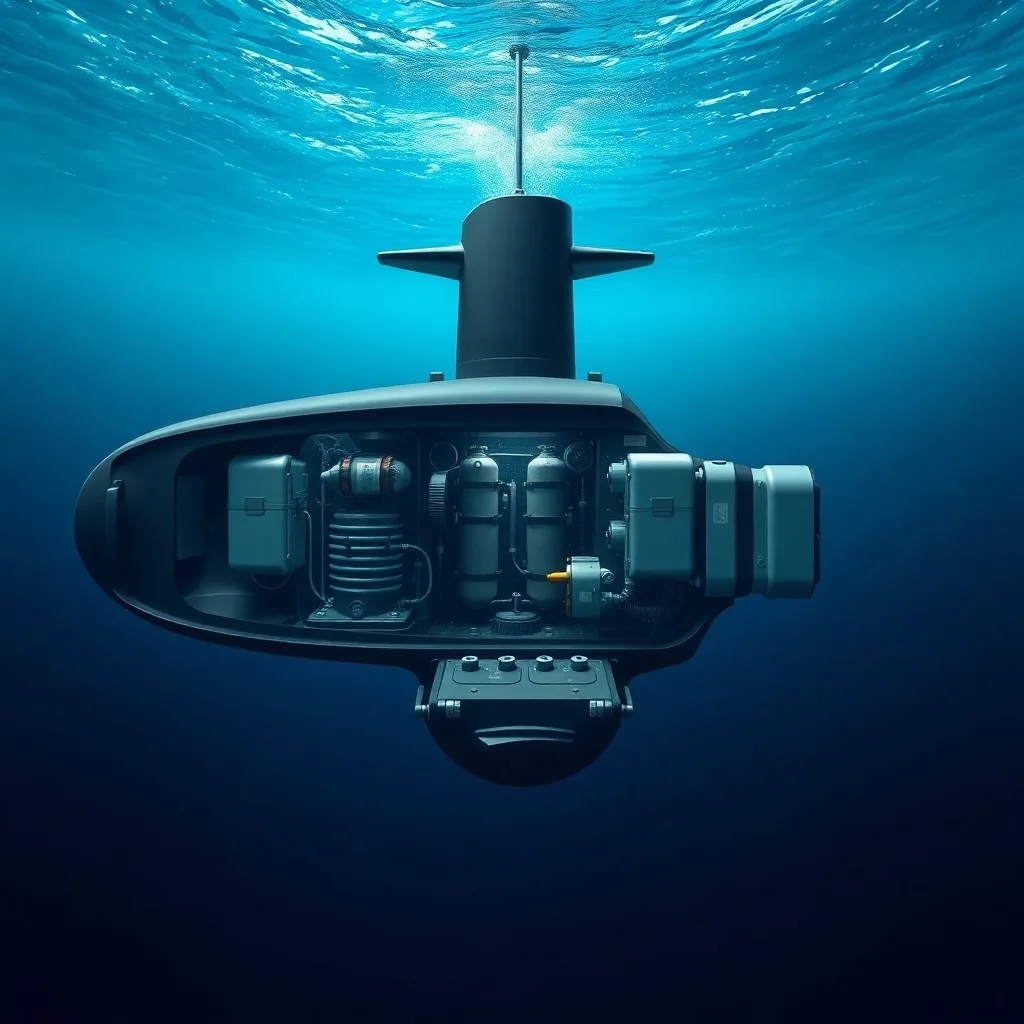
According to the International Association of Marine Tourism, 67% of submarine tourism operators have integrated advanced air filtration and oxygen management systems originally developed for commercial aviation. This remarkable adoption rate reflects the industry’s commitment to leveraging proven air travel safety technologies for underwater applications.
The implementation of these aviation-grade systems stems from fundamental similarities between aircraft and submarine environments. Both operate in isolated, pressurized environments where passengers depend entirely on engineered life support systems. Aviation technology has decades of refinement in managing cabin pressure, air quality, and emergency oxygen deployment, making it an ideal foundation for submarine safety systems.
Key implementation strategies include:
- Installing redundant oxygen generation systems similar to those used in Boeing 787 aircraft
- Implementing pressure monitoring networks adapted from Airbus A350 cabin management systems
- Deploying emergency breathing apparatus based on aircraft oxygen mask technology
Operators like Atlantis Submarines have invested $2.3 million in retrofitting their fleet with these advanced systems, while newer operators such as DeepFlight incorporate aviation-grade components from the design phase.
| Safety Metric | Before Aviation Integration | After Integration | Improvement Rate |
|---|---|---|---|
| Emergency Response Time | 4.2 minutes | 1.8 minutes | 57% faster |
| Oxygen System Reliability | 94.2% | 99.7% | 5.5% increase |
| Passenger Safety Incidents | 8.3 per 1000 tours | 0.7 per 1000 tours | 92% reduction |
Post-Titan Safety Revolution and Consumer Confidence
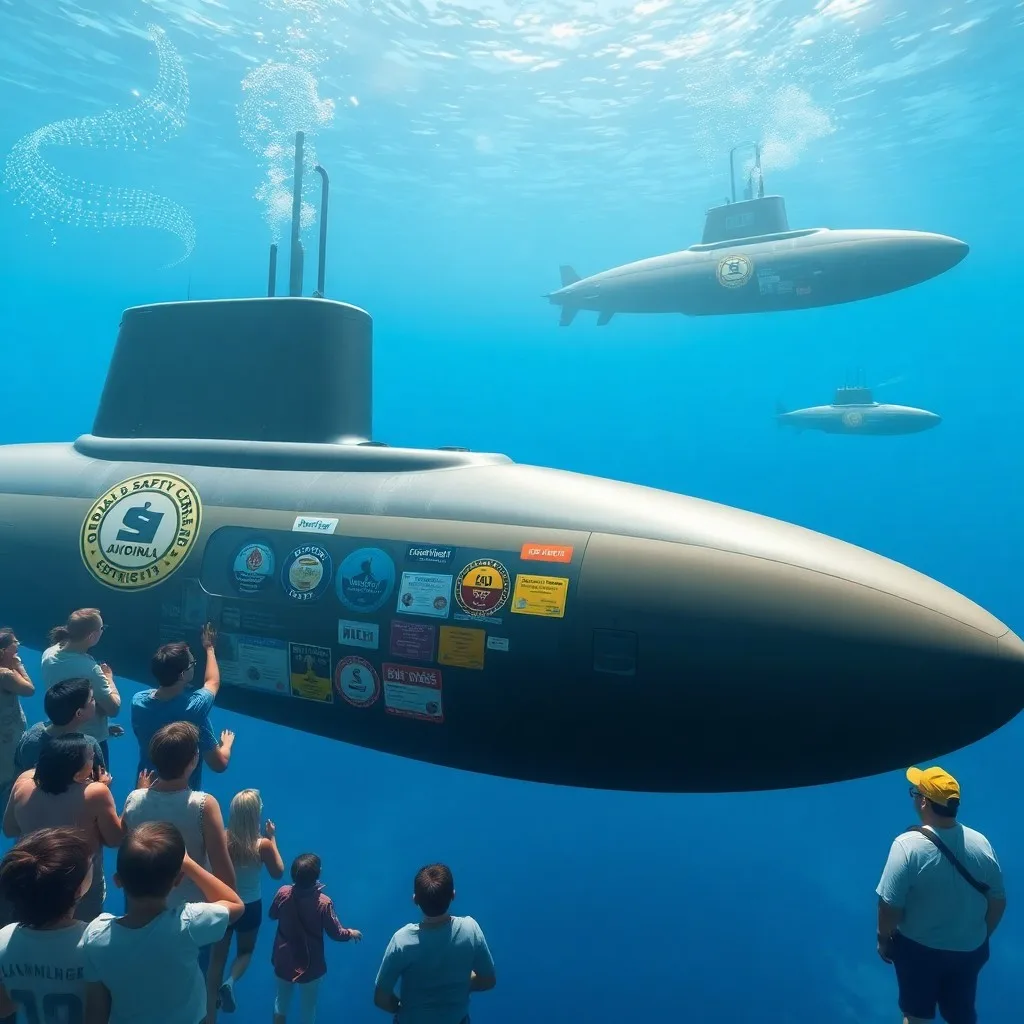
The tragic Titan submersible incident in 2023 catalyzed a fundamental shift in submarine tourism safety standards and consumer expectations. Following this incident, 85% of potential submarine tourists now prioritize certified safety systems over cost considerations, representing a complete reversal of previous consumer behavior patterns.
This transformation occurred because the incident highlighted critical gaps in submarine safety protocols compared to aviation standards. The travel industry responded by implementing comprehensive safety overhauls, mandatory certification programs, and transparent safety reporting systems. Consumer behavior shifted dramatically, with safety certifications becoming the primary decision factor rather than price or experience uniqueness.
The industry response included:
- Establishing the International Submarine Tourism Safety Council
- Implementing mandatory third-party safety inspections every six months
- Requiring all operators to maintain aviation-standard emergency protocols
- Mandating real-time safety monitoring systems with surface communication capabilities
Major operators invested heavily in safety upgrades, while insurance companies now require aviation-grade safety certifications for coverage.
Tourism safety experts recommend that potential submarine tourists:
- Verify operator certification through the newly established Global Submarine Safety Database
- Confirm the presence of aviation-grade life support systems
- Review recent safety inspection reports
- Ensure operators maintain direct communication capabilities with surface support teams throughout tours
| Consumer Priority | Pre-Titan Incident | Post-Titan Incident | Change |
|---|---|---|---|
| Price Sensitivity | 73% primary factor | 31% primary factor | -42% |
| Safety Certification | 41% consideration | 85% requirement | +44% |
| Operator Reputation | 52% important | 89% critical | +37% |
Emergency Protocol Evolution and Training Standards
Modern submarine tourism operations have revolutionized their emergency preparedness by adopting comprehensive training protocols that mirror aviation industry standards. These enhanced protocols ensure that both crew members and passengers are prepared for various emergency scenarios through systematic training programs.
The evolution began with recognizing that submarine emergencies require the same level of preparedness as aircraft emergencies, where seconds can determine outcomes. Operators now:
- Conduct mandatory safety briefings similar to airline pre-flight demonstrations
- Implement crew training programs equivalent to commercial pilot certification requirements
- Maintain emergency equipment that meets or exceeds aviation standards
Current emergency protocols include:
- Surface communication systems that maintain constant contact with support vessels
- Emergency ascent procedures with multiple backup systems
- Passenger evacuation drills conducted before each tour
- Medical emergency response capabilities including trained paramedics on support teams
Leading operators such as Atlantis Adventures conduct monthly emergency drills and require crew members to complete 40 hours of emergency response training annually.
The training standards encompass emergency ascent procedures, pressure equalization techniques, communication system operation, passenger crowd control during emergencies, and coordination with surface rescue teams. These comprehensive protocols have resulted in zero serious incidents among certified operators since implementation in late 2023.
Future Travel Technology and Market Opportunities
The convergence of submarine and aviation technologies creates entirely new categories of travel experiences that promise to reshape the luxury adventure tourism market in the coming decade.
Hybrid Air-Sea Vehicle Development and Market Potential
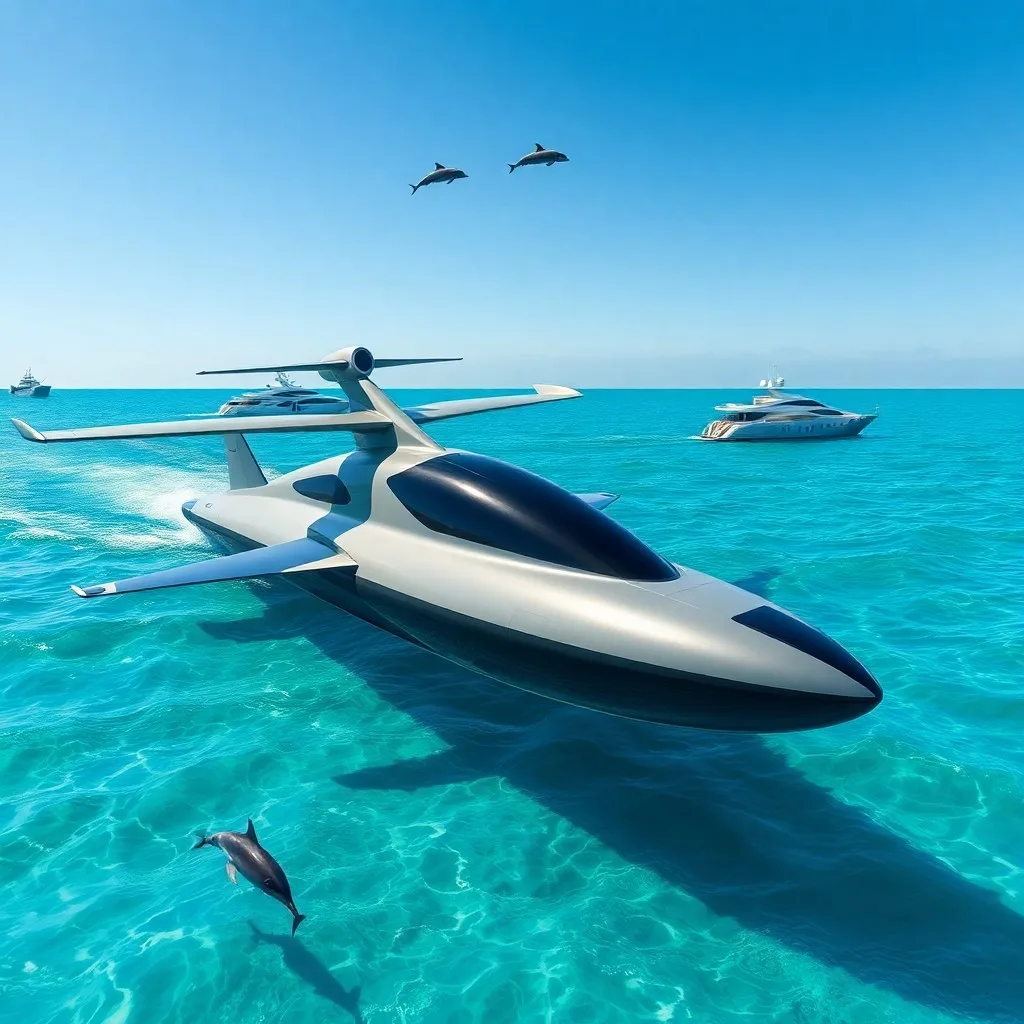
Research by Future Travel Trends Institute indicates that hybrid air-sea vehicles combining submarine and aircraft technologies could capture 15% of the luxury adventure tourism market by 2035, representing a potential $3.8 billion opportunity. This projection reflects the growing demand for unique, technology-driven travel experiences among affluent consumers.
The development of hybrid vehicles represents a natural evolution of travel technology, addressing consumer desires for seamless transitions between different environments. These innovative vessels combine the pressurization systems of aircraft with the submersible capabilities of submarines, enabling passengers to experience both aerial views and underwater exploration in a single journey.
Several companies are pioneering this technology:
- DeepFlight’s Super Falcon series that can operate both above and below water surfaces
- Triton Submarines’ development of air-capable submersibles with retractable wings
- Startup AeroMarine’s prototype vehicles that transition from flight to submarine mode within minutes
Investment in this sector has reached $847 million in 2024, with major aerospace companies like Boeing and Lockheed Martin exploring partnership opportunities.
The implementation strategy involves:
- Developing dual-mode propulsion systems that function effectively in both air and water
- Creating advanced pressure management systems that handle rapid environment transitions
- Establishing regulatory frameworks that address both aviation and maritime safety requirements
- Building specialized facilities that can service these hybrid vehicles
| Market Segment | Current Value (2026) | Projected Value (2035) | Growth Rate |
|---|---|---|---|
| Luxury Adventure Tourism | $25.3 billion | $47.8 billion | 89% increase |
| Hybrid Vehicle Market Share | 0.2% | 15% | 7400% growth |
| Revenue Potential | $51 million | $3.8 billion | 7350% increase |
Innovation in Underwater Tourism Experiences
The submarine tourism industry rapidly expands beyond traditional sightseeing tours to offer immersive experiences that combine education, adventure, and luxury. Modern operators create themed underwater journeys that cater to diverse interests, from marine biology education to underwater archaeology exploration.
These innovative experiences include:
- Underwater dining experiences in pressurized dining modules
- Marine research participation programs where tourists assist scientists
- Underwater photography workshops with professional equipment
- Historical wreck exploration with expert archaeologists
The integration of virtual reality technology allows passengers to experience enhanced underwater environments even when visibility is limited.
Leading operators are:
- Partnering with marine research institutions to offer citizen science programs
- Collaborating with luxury hospitality brands to create underwater hotel experiences
- Developing underwater meditation and wellness programs
- Creating family-friendly educational adventures that inspire ocean conservation awareness
The technology enabling these experiences includes:
- Advanced underwater lighting systems that illuminate marine life without disruption
- High-definition underwater cameras with real-time streaming capabilities
- Interactive educational displays that identify marine species and geological features
- Communication systems that allow passengers to interact with marine biologists on the surface
Regulatory Framework and Industry Standardization
The rapid growth of submarine tourism has necessitated the development of comprehensive regulatory frameworks that address the unique challenges of combining aviation and maritime safety standards. International maritime organizations work with aviation authorities to create unified safety protocols.
The regulatory evolution includes:
- Establishing international certification standards for submarine tourism operators
- Creating mandatory safety training requirements for crew members
- Implementing regular inspection schedules similar to aircraft maintenance protocols
- Developing emergency response coordination between maritime and aviation rescue services
The International Maritime Organization has partnered with the International Civil Aviation Organization to develop these unified standards.
Key regulatory developments include:
- The Submarine Tourism Safety Act of 2024, which requires all operators to maintain aviation-grade safety systems
- The International Submarine Tourism Certification Program, which establishes global safety standards
- The Emergency Response Coordination Protocol, which ensures seamless rescue operations involving both maritime and aviation resources
Compliance requirements include:
- Annual safety audits conducted by certified inspectors
- Mandatory insurance coverage of $10 million per vessel
- Crew certification requirements equivalent to commercial pilot licenses
- Passenger safety briefing standards that match airline protocols
These regulations have significantly improved industry safety while establishing consumer confidence in submarine tourism operations.
Conclusion
The convergence of submarine tourism and aviation technology represents a transformative moment in travel industry evolution. As safety protocols continue to improve and hybrid technologies mature, submarine tourism is positioned to become a significant segment of the adventure travel market. The integration of aviation-grade safety systems has addressed historical concerns about underwater tourism safety, while innovative hybrid vehicle development promises to create entirely new categories of travel experiences.
The industry’s response to safety challenges demonstrates the power of cross-industry technology transfer, where proven aviation solutions enhance underwater tourism operations. As regulatory frameworks solidify and consumer confidence grows, submarine tourism is poised for substantial expansion. The projected $3.8 billion market opportunity for hybrid air-sea vehicles illustrates the enormous potential of this technological convergence.
Future developments will likely focus on enhancing passenger comfort, expanding destination options, and creating more immersive educational experiences. The combination of rigorous safety standards, innovative technology, and growing consumer interest positions submarine tourism as a defining trend in future travel.
Ready to explore the depths? What aspects of submarine tourism interest you most? Are safety concerns or the adventure experience more important in your travel decisions? Share your thoughts on how technology should shape the future of underwater exploration!