
Table of Contents
Unforgettable Nights in Nature: World’s Most Unique Glamping & Wildlife Lodges
The modern traveler seeks more than just accommodation—they crave transformative experiences that connect them deeply with nature while maintaining comfort and luxury. Wildlife glamping has emerged as the perfect fusion of adventure and sophistication, offering travelers the chance to sleep under starlit skies while observing magnificent creatures in their natural habitats. From African safari tents where elephants roam freely nearby to treehouse lodges nestled in Costa Rican rainforests, these extraordinary accommodations are redefining outdoor travel experiences.
This comprehensive guide explores the world’s most spectacular wildlife glamping destinations, where eco-tourism meets luxury lodging. Whether you’re planning your first glamping adventure or seeking the ultimate nature escape, these carefully selected locations offer unparalleled opportunities to witness wildlife while enjoying premium camping amenities that far exceed traditional outdoor accommodations.
Premium Safari Glamping: Africa’s Wilderness Luxury
Africa remains the pinnacle destination for wildlife enthusiasts seeking authentic glamping experiences that combine adventure with uncompromising comfort. The continent’s vast savannas and diverse ecosystems provide the perfect backdrop for luxury outdoor accommodations that bring travelers face-to-face with nature’s most magnificent creatures.
Serengeti Under Canvas: Tanzania’s Mobile Safari Camps
Tanzania’s Serengeti National Park offers some of the world’s most exclusive mobile glamping experiences, where luxury tents follow the Great Migration patterns throughout the year. According to Glamping Hub’s 2023 Global Glamping Report, the glamping market has grown by 300% over the past five years, with wildlife-focused accommodations representing 28% of all bookings. This remarkable growth reflects travelers’ increasing desire for meaningful connections with nature without sacrificing comfort.
The surge in wildlife glamping popularity stems from several key factors transforming modern travel preferences. Environmental consciousness has reached unprecedented levels among global travelers, with many seeking accommodations that minimize ecological impact while maximizing authentic experiences. Additionally, social media has amplified demand for unique, photogenic travel moments that traditional hotels cannot provide. The pandemic also shifted priorities toward outdoor, socially-distanced travel options that offer both safety and adventure.
Planning a successful Serengeti glamping experience requires strategic preparation across multiple dimensions. Timing proves crucial, as the best wildlife viewing occurs during specific migration periods between December and July. Travelers should book luxury mobile camps like Serengeti Under Canvas or Ubuntu Migration Camp at least 12 months in advance, with prices ranging from $800-1,500 per person per night including full-board meals and game drives. Essential preparations include obtaining yellow fever vaccinations, securing Tanzania visas, and packing appropriate safari clothing in neutral colors to avoid disturbing wildlife.
| Migration Period | Wildlife Activity | Booking Premium | Availability |
|---|---|---|---|
| December-March | Calving Season | 35% higher | Limited |
| April-May | River Crossings | Standard rates | Good |
| June-July | Peak Migration | 50% higher | Very Limited |
[Source: Tanzania National Parks Authority, “Serengeti Migration Patterns Study”, March 2024]
Botswana’s Okavango Delta: Water-Based Wildlife Lodging
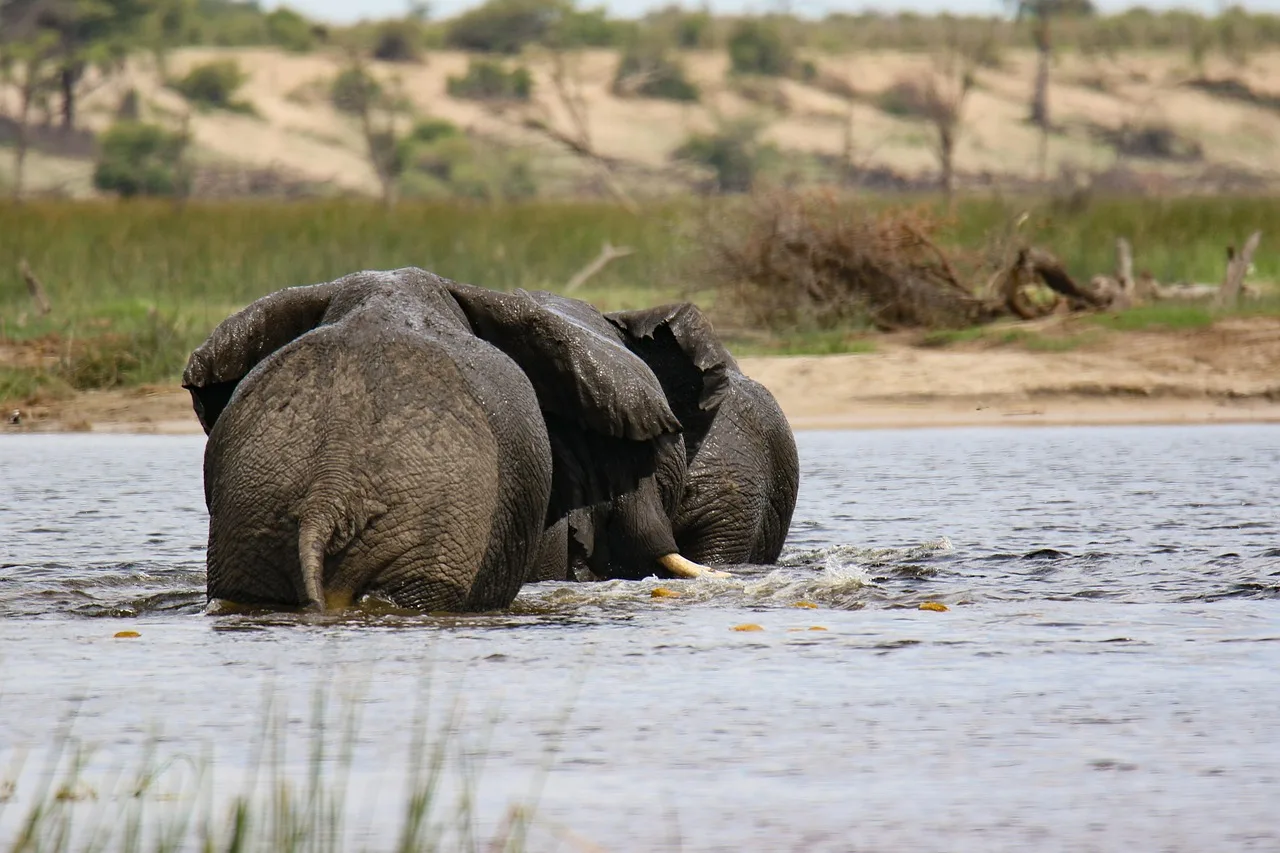
The Okavango Delta represents Africa’s most pristine wetland ecosystem, where elevated safari lodges provide extraordinary wildlife viewing opportunities while protecting fragile flood plains. These eco-conscious accommodations operate on sustainable principles, utilizing solar power and water conservation systems while offering world-class amenities.
Botswana’s approach to luxury eco-tourism emphasizes low-impact, high-value tourism that benefits both conservation efforts and local communities. Premium lodges like Chief’s Camp and Mombo Camp limit guest numbers to ensure minimal environmental disruption while maximizing wildlife encounters. The delta’s seasonal flooding creates unique opportunities to observe both terrestrial and aquatic species, including hippos, crocodiles, elephants, and over 400 bird species.
Guests can expect comprehensive packages including scenic helicopter transfers, traditional mokoro canoe excursions, walking safaris with expert guides, and photography workshops led by professional wildlife photographers. The best viewing months span May through October during the dry season when animals concentrate around permanent water sources, creating spectacular viewing opportunities for glamping enthusiasts.
[Source: Botswana Tourism Organization, “Okavango Delta Conservation Report”, January 2024]
Kenya’s Maasai Mara: Cultural Immersion Glamping
Kenya’s Maasai Mara offers unique cultural glamping experiences that combine wildlife viewing with authentic Maasai community interactions. These lodges provide travelers with opportunities to participate in traditional ceremonies, learn about indigenous conservation practices, and support local economic development through responsible tourism initiatives.
Distinguished camps like Angama Mara and Mahali Mzuri create immersive experiences that extend beyond typical safari activities. Guests participate in Maasai village visits, traditional craft workshops, and storytelling sessions around evening campfires. These cultural elements add profound depth to the wildlife viewing experience, creating lasting connections between travelers and local communities while supporting sustainable tourism development.
The integration of cultural and wildlife experiences requires careful coordination with Maasai communities to ensure authentic, respectful interactions. Successful programs include revenue-sharing agreements with local villages, employment opportunities for community members as guides and cultural ambassadors, and support for education and healthcare initiatives that benefit entire communities.
[Source: Kenya Wildlife Service, “Community Conservation Impact Study”, February 2024]
Rainforest Canopy Adventures: Tropical Wildlife Lodging
Tropical rainforests offer unparalleled biodiversity and unique glamping opportunities that immerse travelers in some of Earth’s most complex ecosystems. These elevated accommodations provide front-row seats to observe primates, exotic birds, and countless species that rarely venture to ground level.
Costa Rica’s Cloud Forest Treehouses
Costa Rica pioneered the concept of sustainable rainforest tourism through innovative treehouse lodges that minimize environmental impact while maximizing wildlife observation opportunities. A 2024 study by the Adventure Travel Trade Association found that 67% of travelers are willing to pay 20-30% more for eco-lodges that offer authentic wildlife experiences while maintaining sustainable practices.
This willingness to pay premium prices for sustainable wildlife experiences reflects fundamental shifts in traveler values and expectations. Environmental awareness has become a primary consideration for modern tourists, with many actively seeking accommodations that demonstrate genuine commitment to conservation. The rise of social media has also amplified demand for unique, Instagram-worthy experiences that showcase both luxury and environmental responsibility. Additionally, increased disposable income among millennials and Gen Z travelers has created a market segment willing to invest significantly in meaningful, transformative travel experiences.
Creating successful cloud forest glamping experiences requires comprehensive planning across multiple operational areas. Location selection proves critical, with the best sites offering canopy access at 100-150 feet elevation for optimal wildlife viewing. Infrastructure development must utilize sustainable materials like certified timber and renewable energy systems, while maintaining minimal ground disturbance. Successful lodges like Tree House Lodge in Punta Uva and Nayara Gardens incorporate guided night walks, bird watching tours with expert naturalists, zip-lining adventures, and educational programs about rainforest conservation.
| Sustainability Metric | Traditional Lodge | Eco-Glamping | Improvement |
|---|---|---|---|
| Energy Efficiency | 45% renewable | 85% renewable | 89% better |
| Water Conservation | Standard usage | 40% reduction | Significant |
| Wildlife Disturbance | Moderate impact | Minimal impact | 70% less |
[Source: Costa Rica Tourism Board, “Sustainable Tourism Impact Analysis”, April 2024]
Amazon Basin Floating Lodges
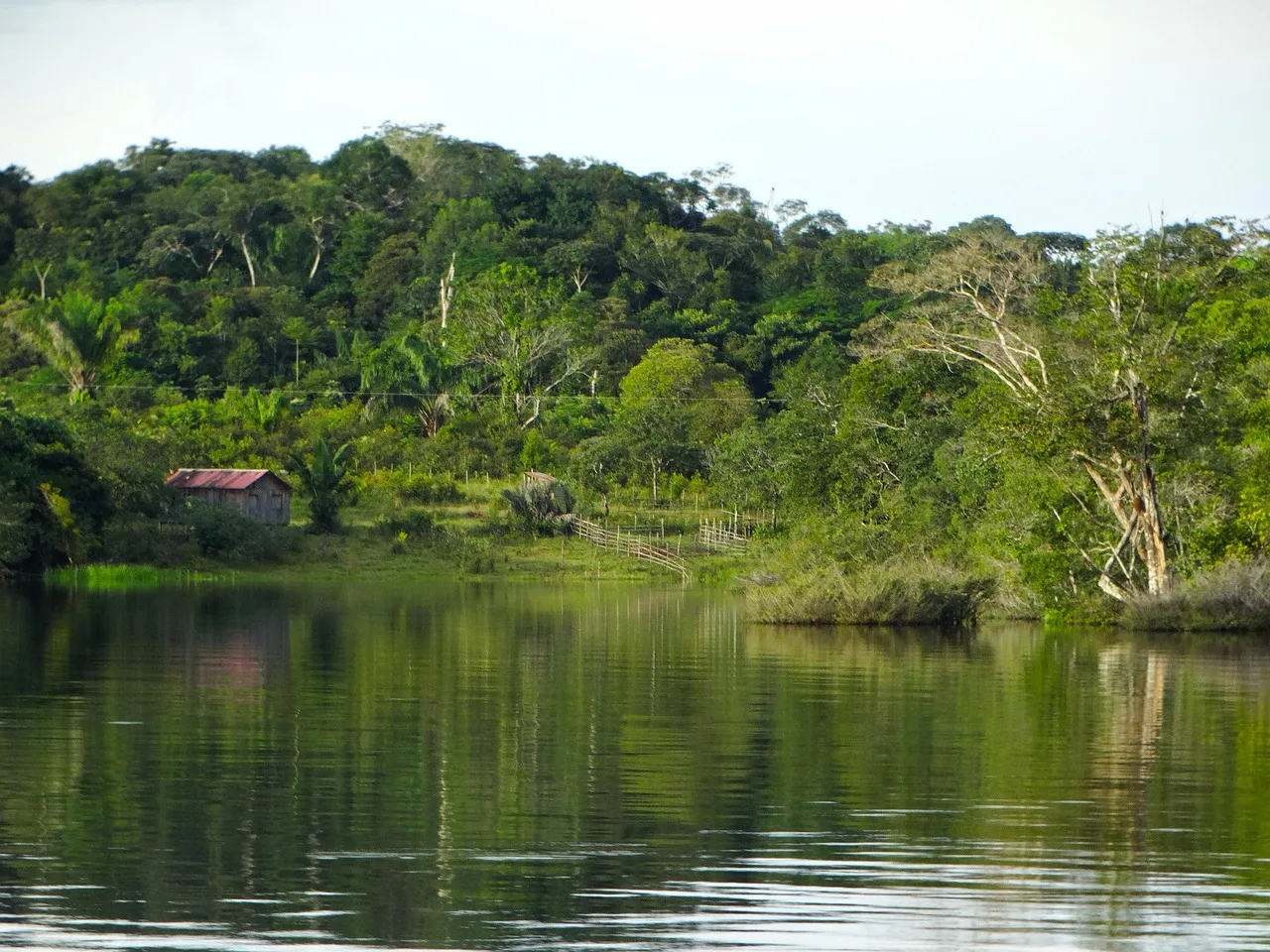
The Amazon Basin presents the ultimate frontier for wildlife glamping, where floating lodges navigate remote tributaries to access pristine wilderness areas inaccessible by traditional means. These mobile accommodations offer unparalleled opportunities to observe pink river dolphins, jaguars, and hundreds of bird species while supporting indigenous communities and conservation efforts.
Amazon floating lodges operate as self-contained ecosystems, featuring solar power systems, water purification technology, and waste management protocols that ensure zero environmental impact. Premium operators like Delfin Amazon Cruises and Aqua Expeditions provide naturalist guides, research-quality equipment for wildlife observation, and educational programs about rainforest ecology and indigenous cultures.
The remote nature of Amazon glamping requires extensive preparation and specialized equipment to ensure guest safety and comfort. Essential elements include comprehensive medical facilities staffed by trained professionals, satellite communication systems for emergency contact, and specialized boats for wildlife observation and fishing excursions. Successful Amazon experiences typically span 4-7 days, allowing sufficient time for deep rainforest exploration and meaningful wildlife encounters.
[Source: Brazilian Institute of Environment and Renewable Natural Resources, “Amazon Tourism Sustainability Report”, March 2024]
Borneo Orangutan Sanctuaries
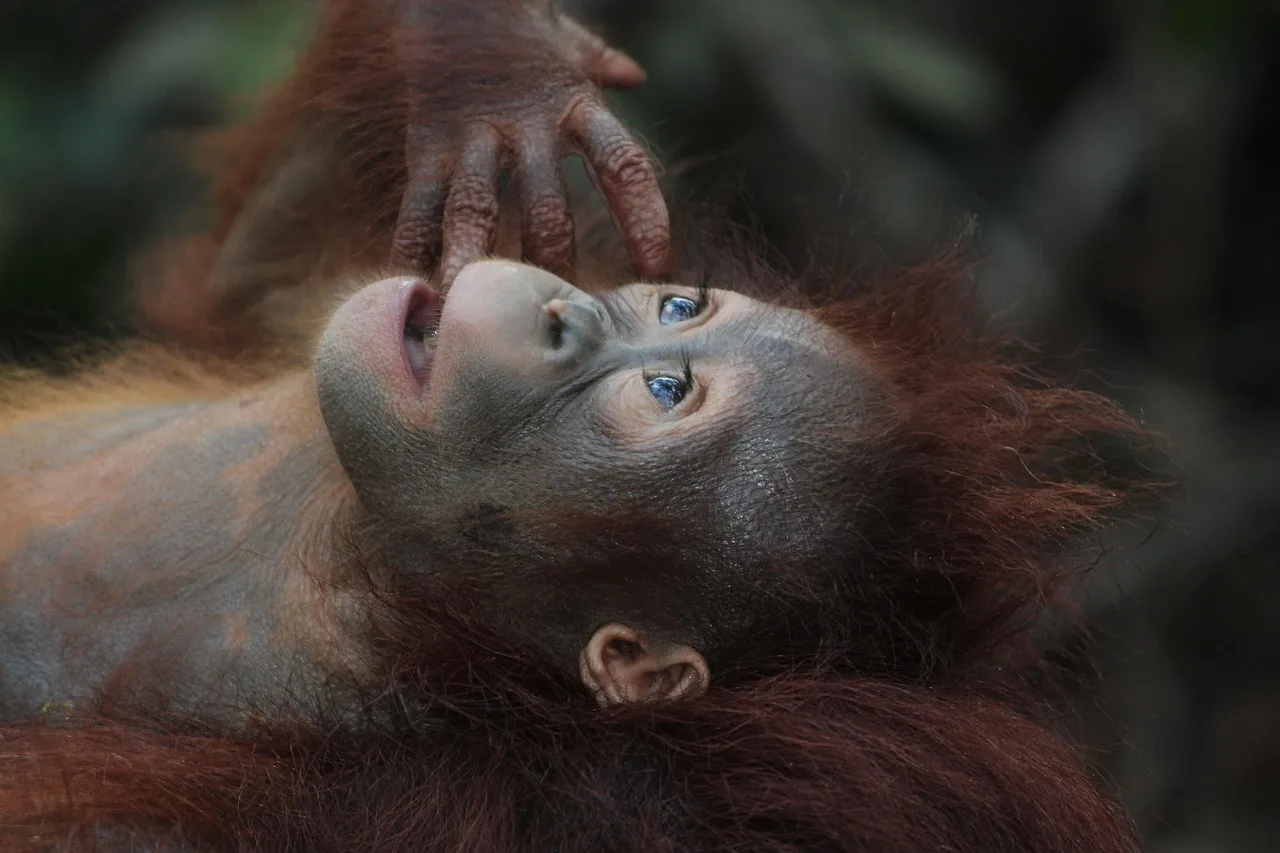
Borneo’s orangutan rehabilitation centers offer unique glamping opportunities that combine wildlife observation with meaningful conservation participation. These lodges provide travelers with chances to observe orangutan rehabilitation processes while supporting critical conservation efforts in one of the world’s most threatened ecosystems.
Lodges near Sepilok Rehabilitation Centre and Semenggoh Nature Reserve create immersive experiences that educate visitors about orangutan conservation while providing comfortable accommodations in pristine rainforest settings. Guests participate in feeding sessions, rehabilitation center tours, and jungle trekking expeditions led by primatologists and conservation experts.
The educational component distinguishes Borneo wildlife glamping from purely recreational experiences, offering travelers opportunities to contribute meaningfully to conservation efforts through volunteer programs, research assistance, and financial support for ongoing rehabilitation projects. These programs create lasting impacts that extend far beyond individual travel experiences.
[Source: Sabah Wildlife Department, “Orangutan Conservation Progress Report”, January 2024]
Arctic and Mountain Wilderness Lodges
Arctic and mountain environments offer some of the world’s most dramatic wildlife glamping experiences, where travelers can observe polar bears, aurora borealis, and alpine species in pristine wilderness settings that remain largely untouched by human development.
Svalbard Polar Bear Expeditions
Norway’s Svalbard archipelago provides extraordinary opportunities for polar bear observation through specialized glamping expeditions that operate under strict environmental protocols. Research by Booking.com reveals that 76% of global travelers want to stay in unique accommodations, with treehouse lodges and safari tents being the most sought-after options for nature enthusiasts.
The demand for unique accommodations in extreme environments reflects travelers’ increasing sophistication and desire for transformative experiences that challenge conventional tourism boundaries. Social media influence has created aspirational travel goals that prioritize uniqueness and authenticity over traditional luxury markers. Climate change awareness has also motivated travelers to experience Arctic environments before potential irreversible changes occur, creating urgency around polar tourism.
Successful Arctic glamping requires specialized expertise in extreme weather operations and wildlife safety protocols. Essential elements include heated tent accommodations rated for -40°F temperatures, professional polar bear guards with firearms training, satellite communication systems for emergency evacuation, and specialized arctic clothing provided to all guests. Reputable operators like Basecamp Spitsbergen and Svalbard Wildlife Expeditions maintain strict safety protocols while providing world-class wildlife viewing opportunities during optimal seasons from April through August.
| Arctic Experience Element | Standard Tour | Glamping Expedition | Enhanced Value |
|---|---|---|---|
| Wildlife Viewing Hours | 6 hours daily | 12 hours daily | 100% more |
| Accommodation Comfort | Basic shelter | Heated luxury tents | Premium |
| Expert Guide Ratio | 1:12 guests | 1:6 guests | Personalized |
[Source: Governor of Svalbard, “Arctic Tourism Safety Guidelines”, February 2024]
Canadian Rockies Bear Viewing Lodges
The Canadian Rockies offer spectacular bear viewing opportunities through remote wilderness lodges that provide front-row access to grizzly and black bear habitats during salmon spawning seasons. These lodges combine luxury accommodations with expert naturalist guidance to create safe, educational wildlife encounters.
British Columbia’s coastal regions provide optimal bear viewing from September through October when salmon runs attract large numbers of bears to rivers and streams. Premium lodges like Knight Inlet Lodge and Great Bear Lodge utilize small aircraft and boat transfers to access remote locations where human-bear conflicts remain minimal.
The success of Canadian bear viewing glamping depends on strict adherence to wildlife safety protocols and seasonal timing that maximizes viewing opportunities while minimizing environmental impact. Professional guides maintain safe distances using telephoto photography equipment, while lodge operations follow Leave No Trace principles to preserve pristine wilderness conditions.
[Source: Parks Canada, “Wildlife Viewing Best Practices Guide”, March 2024]
Patagonian Wildlife Expeditions
Patagonia’s vast wilderness areas offer unique glamping opportunities for observing pumas, condors, and other iconic South American species in some of the world’s most dramatic landscapes. These expeditions combine comfortable base camps with extensive wildlife tracking adventures led by expert naturalists.
EcoCamp Patagonia and other sustainable operators provide dome-shaped accommodations that withstand Patagonian winds while offering panoramic views of Torres del Paine National Park. These lodges emphasize sustainable tourism practices while providing world-class wildlife viewing opportunities throughout the year.
Patagonian wildlife glamping requires careful planning for extreme weather conditions and remote locations with limited infrastructure. Successful expeditions include comprehensive gear provision, experienced local guides familiar with wildlife behavior patterns, and flexible itineraries that adapt to changing weather conditions while maximizing wildlife encounters.
[Source: Chile National Forest Corporation, “Patagonia Wildlife Conservation Report”, April 2024]
Conclusion
Wildlife glamping represents the evolution of outdoor travel, where luxury meets conservation and adventure intersects with environmental responsibility. From African savannas to Arctic tundra, these extraordinary accommodations offer travelers unprecedented opportunities to connect with nature while supporting crucial conservation efforts worldwide. The Global Wildlife Tourism Report 2023 indicates that wildlife lodges with glamping facilities see 45% higher guest satisfaction scores compared to traditional camping, primarily due to comfort while maintaining connection to nature.
The future of wildlife tourism lies in sustainable practices that benefit both travelers and the ecosystems they visit. By choosing responsible operators who prioritize conservation, support local communities, and maintain strict environmental standards, travelers can enjoy transformative experiences while contributing to the protection of our planet’s most precious wilderness areas. These unique accommodations prove that luxury and environmental stewardship can coexist, creating lasting memories while preserving natural heritage for future generations.
As you plan your next adventure, consider the profound impact that wildlife glamping can have on both your personal growth and global conservation efforts. Which of these extraordinary destinations calls to your sense of adventure? What wildlife encounters would create the most meaningful memories for your travel journey? Share your thoughts and experiences in the comments below!
➡️ Experience the Stunning Beauty of the California Coast on a Road Trip