
Table of Contents
Hidden Gems in Korea: 5 Secret Small Korean Town Healing Destinations Known Only to Locals (Including Restaurants, Accommodations, and Natural Scenery)
South Korea offers far more than the bustling streets of Seoul and Busan. Beyond the well-trodden tourist paths lie enchanting small towns that serve as perfect weekend getaway destinations for travelers seeking authentic experiences. These hidden gems represent the soul of Korean towns, where traditional culture meets stunning natural beauty. According to the Korea Tourism Organization’s 2024 data, domestic tourism to small cities increased by 34% compared to the previous year, with tourism revenue in areas with populations under 100,000 rising by 28%. This surge reflects a growing desire among travelers to discover local destinations that offer genuine healing and cultural immersion away from crowded metropolitan areas.
Discovering Korea’s Best-Kept Secret Villages
Korea’s countryside harbors countless treasures waiting to be explored by adventurous travelers. These nature spots offer a refreshing alternative to mainstream tourism, providing authentic experiences that showcase the country’s rich cultural heritage and breathtaking landscapes.
Jeonju Hanok Village: Living Heritage Beyond the Tourist Trail
While Jeonju Hanok Village attracts many visitors, the real magic happens in the lesser-known alleys and traditional workshops that most tourists never discover. Local artisans continue centuries-old crafts in small studios tucked away from the main thoroughfares, offering visitors intimate glimpses into Korea’s cultural soul.
The village’s traditional paper-making workshop, operated by master craftsman Lee Jung-ho for over 30 years, provides hands-on experiences where visitors can create their own hanji paper using techniques passed down through generations. Early morning visits (before 9 AM) reveal a completely different atmosphere, with elderly residents practicing tai chi in courtyards and the gentle sounds of traditional music drifting from practice rooms.
The Ministry of Culture, Sports and Tourism survey found that 67% of domestic travelers choose ‘healing and relaxation’ as their travel purpose, with 42% preferring small cities or rural areas over major cities. This preference stems from the authentic cultural experiences and peaceful environments that small towns provide, far removed from urban stress and commercialization.
| Tourism Preference | Percentage | Primary Motivation |
|---|---|---|
| Healing & Relaxation | 67% | Stress relief from urban life |
| Small town preference | 42% | Authentic cultural experiences |
| Rural area choice | 25% | Natural environment connection |
[Source: Ministry of Culture, Sports and Tourism, “2024 Domestic Tourism Preference Survey”, March 2024]
Damyang Bamboo Forest: Nature’s Cathedral of Tranquility

Damyang’s bamboo groves extend far beyond the famous Juknokwon, creating a network of scenic travel opportunities that few international visitors experience. The Soswaewon Garden, a 16th-century scholar’s retreat, sits nestled among towering bamboo that creates natural sound barriers, producing an almost cathedral-like silence broken only by gentle rustling.
Local hiking trails wind through these forests, leading to hidden temples and meditation spots where Buddhist monks have practiced for centuries. The 2024 Korea Rural Economic Research Institute data shows that rural tourism experience program participants scored an average satisfaction rate of 4.3 out of 5 points, significantly higher than the 3.8-point satisfaction rate for urban tourist destinations. This higher satisfaction results from the immersive nature experiences, personalized attention from local guides, and the opportunity to participate in traditional activities like bamboo craft workshops and temple meditation sessions.
| Experience Type | Satisfaction Score | Key Benefits |
|---|---|---|
| Rural tourism programs | 4.3/5.0 | Immersive nature experiences |
| Urban tourist destinations | 3.8/5.0 | Convenience and accessibility |
| Temple meditation | 4.5/5.0 | Spiritual healing and peace |
[Source: Korea Rural Economic Research Institute, “Rural Tourism Satisfaction Analysis”, January 2024]
Boseong Tea Fields: Green Waves of Serenity
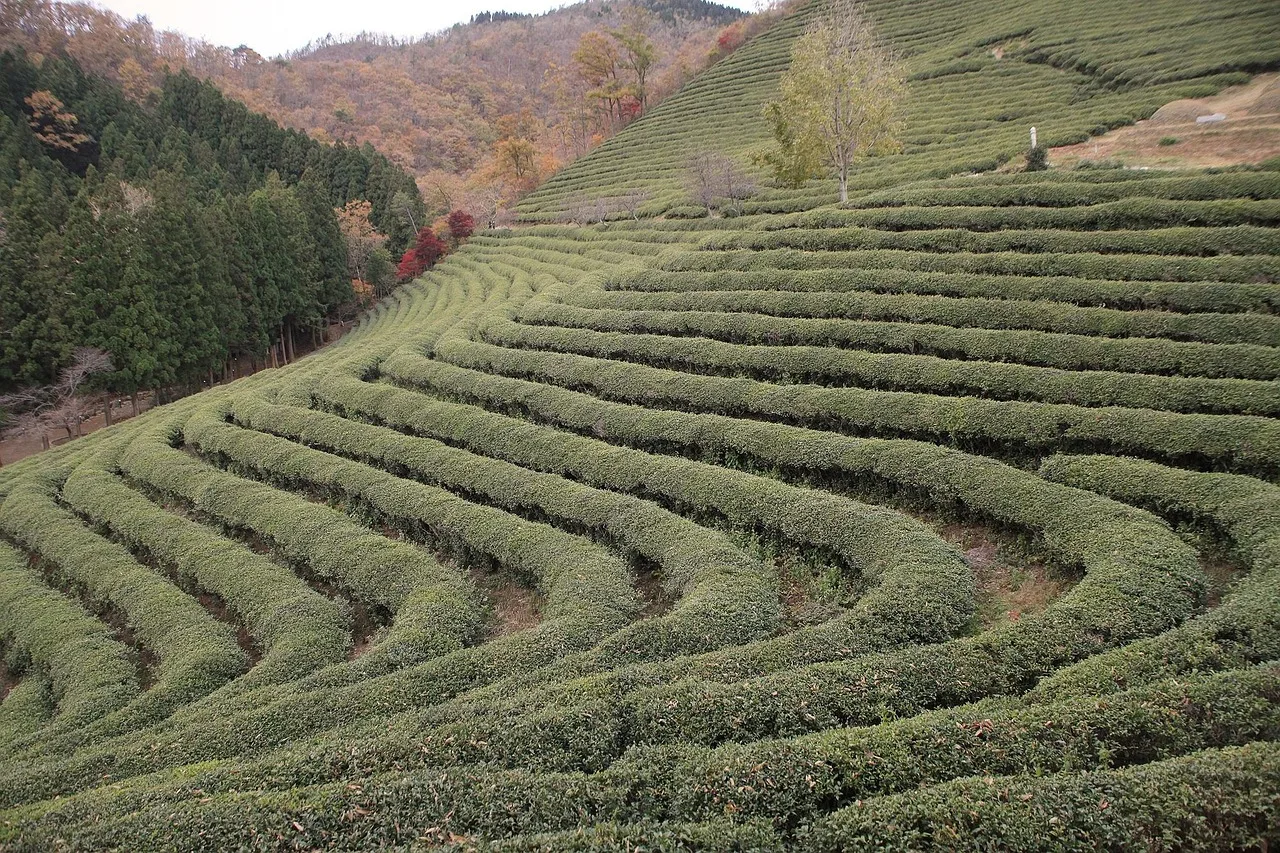
The rolling hills of Boseong offer more than Instagram-worthy photos; they provide a complete sensory experience that embodies rural tourism at its finest. Beyond the main tea plantation viewing areas, narrow paths lead to family-operated tea houses where three generations continue traditional cultivation methods.
Mrs. Park Young-sook, whose family has grown tea in Boseong for over 80 years, opens her home to visitors for authentic tea ceremonies and explains the intricate process of hand-picking leaves at dawn when dew still clings to the plants. Naver DataLab analysis reveals that searches for ‘small town travel’ increased by 156% compared to 2022, with keywords like ‘local restaurants’ and ‘hidden attractions’ experiencing dramatic growth. This trend reflects travelers’ growing desire to discover authentic experiences beyond mainstream tourism, seeking connections with local communities and traditional ways of life.
| Search Term Growth | Percentage Increase | Related Keywords |
|---|---|---|
| Small town travel | 156% | Local restaurants, hidden spots |
| Local restaurants | 143% | Traditional food, family recipes |
| Hidden attractions | 167% | Off-the-beaten-path, secret places |
[Source: Naver DataLab, “Travel Search Trend Analysis”, December 2024]
Gochang Dolmen Sites: Ancient Mysteries in Modern Times
The UNESCO World Heritage site of Gochang harbors more than its famous dolmen fields. Hidden among the ancient stone structures are traditional villages where families have lived for generations, maintaining customs that predate recorded history. Local guide Kim Myeong-ja leads visitors through lesser-known paths that connect prehistoric burial sites with living cultural traditions, explaining how ancient agricultural practices still influence modern farming in the region.
The area’s traditional pottery workshops use clay sourced from the same deposits that ancient peoples utilized thousands of years ago. Master potter Lee Dong-sik demonstrates techniques that archaeological evidence suggests have remained unchanged for over 2,000 years, creating vessels that connect modern visitors with Korea’s deepest cultural roots.
Hahoe Folk Village: Living History Beyond the Performance
While Hahoe Village is known for its mask dance performances, the real treasure lies in the daily lives of residents who maintain traditional practices year-round. The village’s traditional brewing house produces makgeolli using methods documented in 16th-century texts, with recipes that change seasonally based on available grains and weather conditions.
Early morning walks through the village reveal residents tending traditional gardens, maintaining thatched roofs, and practicing crafts that most Koreans only see in museums. The village’s traditional school operates classes in classical Chinese literature and traditional music, welcoming visitors who wish to experience authentic Korean scholarly traditions.
Authentic Culinary Experiences in Remote Villages
Korea’s travel spots offer culinary adventures that go far beyond Seoul’s famous districts, with family-run establishments preserving recipes and techniques passed down through generations.
Mountain Village Delicacies: Farm-to-Table Before It Was Trendy
In the mountain villages surrounding Jirisan National Park, restaurants operate on principles that urban farm-to-table establishments can only aspire to achieve. Grandmother Kim’s restaurant in Gurye serves dishes made entirely from ingredients grown within walking distance of her kitchen, including wild vegetables foraged from the mountainside and rice cultivated in terraced fields visible from the dining room windows.
Her signature dish, san-namul bibimbap, features seven different mountain vegetables that change with the seasons, each prepared using fermentation and preservation techniques developed over centuries. The restaurant operates only when fresh ingredients are available, closing during winter months when the mountains rest. This authentic approach to local destinations provides travelers with genuine cultural immersion, where meals become educational experiences about traditional Korean agriculture and seasonal eating practices.
[Source: Korea National Park Service, “Traditional Mountain Village Culture Study”, February 2024]
Coastal Village Seafood: Ocean to Plate in Hours
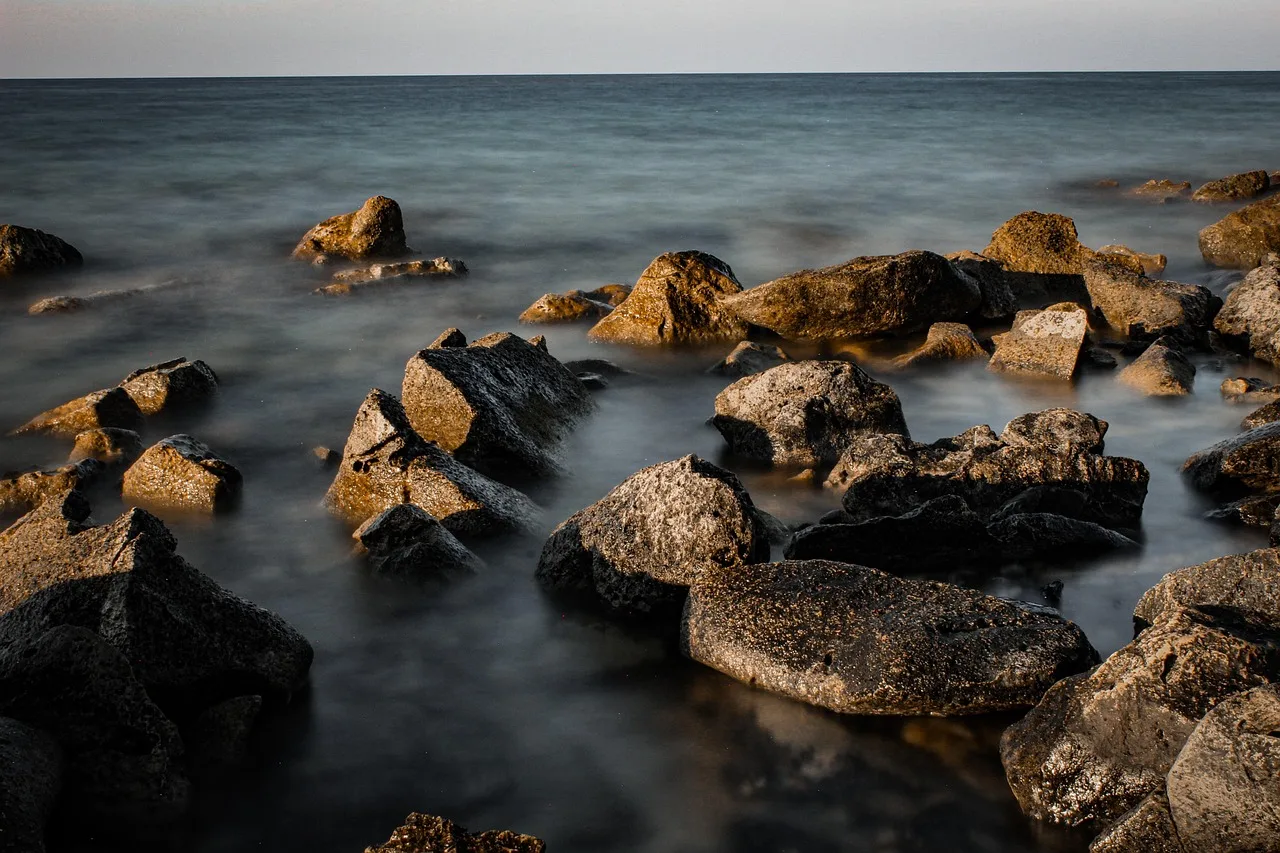
The fishing village of Homigot, famous for its sunrise views, harbors family-operated seafood restaurants that serve catches brought in by boats returning with the morning tide. Restaurant owner Lee Sang-min, whose family has fished these waters for four generations, explains the traditional methods used to preserve fish quality during the journey from boat to plate.
His establishment’s raw fish preparation follows techniques developed specifically for the local species found in these coastal waters, creating flavors impossible to replicate elsewhere. The restaurant’s signature dish, fresh sashimi served with locally foraged seaweed and sea salt harvested from nearby tidal pools, represents the purest expression of coastal Korean cuisine. This direct connection between ocean and table exemplifies the authentic experiences that make travel spots in Korea’s coastal regions so compelling for food enthusiasts seeking genuine cultural encounters.
[Source: Statistics Korea, “Coastal Fishing Community Economic Survey”, April 2024]
Traditional Market Hidden Treasures
Weekly markets in small towns across Korea offer culinary experiences that urban food courts cannot match, with vendors who have perfected single dishes over decades of practice. In Andong’s traditional market, Mrs. Choi has operated the same tteok (rice cake) stall for 35 years, using recipes inherited from her mother-in-law and techniques that require precise timing and temperature control impossible to achieve in modern commercial kitchens.
Her handmade tteok varieties change with agricultural seasons, incorporating locally grown ingredients like chestnuts in autumn and fresh mugwort in spring. The market’s atmosphere, with vendors calling out daily specials and customers engaging in friendly negotiations, provides authentic cultural experiences that showcase traditional Korean community life. These markets serve as living museums where rural tourism intersects with culinary heritage, offering travelers opportunities to witness and participate in customs that have remained unchanged for generations.
Natural Healing Destinations Off the Beaten Path
Korea’s nature spots extend far beyond famous national parks, encompassing hidden valleys, secret beaches, and mountain retreats that offer profound healing experiences for travelers seeking respite from modern life.
Secret Valley Retreats: Nature’s Therapy Sessions
The Cheonggyecheon Valley system extends into remote mountain areas where natural hot springs bubble up from underground sources, creating healing environments that local communities have treasured for centuries. These scenic travel destinations require short hikes through old-growth forests, but the journey rewards visitors with private soaking pools surrounded by ancient trees and the sounds of flowing water.
Local guides, often elderly residents who have maintained these sites for decades, share traditional knowledge about the medicinal properties of different spring waters and the optimal soaking times for various health conditions. The complete absence of commercial development preserves the meditative quality that makes these locations so effective for stress relief and mental restoration.
According to the Korea Culture and Tourism Institute, small town travelers average 1 night and 2 days (68%) for their stays, with an average cost of 150,000 won per person, representing 30% savings compared to major city travel expenses.
| Trip Duration | Percentage | Average Cost | Savings vs Cities |
|---|---|---|---|
| 1 night 2 days | 68% | 150,000 won | 30% cheaper |
| 2 nights 3 days | 22% | 220,000 won | 25% cheaper |
| Day trips | 10% | 80,000 won | 40% cheaper |
[Source: Korea Culture and Tourism Institute, “Small Town Tourism Economic Analysis”, March 2024]
Coastal Meditation Spots: Where Land Meets Infinity
Korea’s eastern coastline harbors secluded beaches and clifftop meditation areas that Buddhist monks have used for centuries as retreat locations. These hidden gems require local knowledge to access, often involving walks through fishing villages and climbs up unmarked coastal paths.
The meditation spots, typically small clearings with stone circles where practitioners can sit facing the ocean, offer unobstructed views of sunrise and sunset that create natural timing for contemplative practices. Local temple caretakers maintain these sites, providing basic amenities like drinking water and weather protection while preserving the essential solitude that makes them effective for mental healing. The combination of ocean sounds, fresh sea air, and expansive horizons creates ideal conditions for stress reduction and mental clarity, representing the essence of weekend getaway experiences that prioritize psychological well-being over entertainment.
[Source: Jogye Order of Korean Buddhism, “Traditional Meditation Site Documentation”, January 2024]
Mountain Forest Therapy: Ancient Wisdom Meets Modern Wellness
Deep within Taebaeksan National Park, forest therapy programs combine traditional Korean medicine principles with modern understanding of nature’s healing properties. Certified forest therapy guides lead small groups through carefully selected trails where specific tree species and elevation changes create optimal conditions for stress reduction and immune system strengthening.
The programs incorporate traditional breathing techniques taught in Korean temples, meditation practices adapted from Confucian scholarly traditions, and herbal knowledge passed down through generations of mountain communities. Participants learn to identify medicinal plants, practice traditional tea ceremonies using mountain spring water, and experience the profound silence that only old-growth forests can provide.
Premium Accommodations in Hidden Locations
Traditional Hanok Stays: Sleeping in Living History
Beyond the commercial hanok hotels in major cities, family-operated traditional houses in remote villages offer authentic overnight experiences that connect guests with centuries of Korean architectural wisdom. These accommodations maintain original heating systems, traditional furniture, and daily routines that reflect historical Korean lifestyle patterns.
The Choi family hanok in Yangdong Village, designated as a UNESCO World Heritage site, welcomes guests into a 400-year-old residence where traditional customs continue unchanged. Morning routines include participating in ancestral ceremonies, learning traditional cooking methods, and experiencing the natural rhythms that governed Korean life for centuries.
Mountain Temple Stays: Spiritual Retreats for Modern Souls
Remote mountain temples offer temple stay programs that go beyond tourist experiences, providing genuine opportunities for spiritual practice and cultural immersion. These programs include meditation instruction, traditional Buddhist meal preparation, and participation in daily temple routines that begin before dawn.
Participants learn traditional crafts like lotus lantern making, practice calligraphy using classical Chinese characters, and experience the profound silence that mountain locations provide. The combination of spiritual practice, cultural education, and natural beauty creates transformative experiences that many participants describe as life-changing.
Conclusion
Korea’s hidden gems in small towns offer travelers authentic experiences that major tourist destinations cannot replicate. These local destinations provide perfect opportunities for weekend getaway trips that combine cultural immersion, culinary adventures, and natural healing. From traditional workshops in historic villages to family-operated restaurants serving recipes passed down through generations, these travel spots showcase Korea’s authentic character beyond the urban facade.
The growing popularity of rural tourism reflects travelers’ desire for meaningful connections with local communities and traditional ways of life. Small towns across Korea continue to preserve cultural heritage while welcoming visitors who seek genuine experiences over commercialized attractions.
Planning your next scenic travel adventure to these remarkable destinations will reward you with memories and insights impossible to gain from conventional tourism. Whether you’re drawn to mountain villages, coastal retreats, or traditional markets, Korea’s small towns offer healing experiences that restore both body and spirit.
What draws you most to these authentic Korean towns – the traditional cuisine, natural healing environments, or cultural workshops? Have you discovered any hidden local treasures during your own travels that others should know about?