
Table of Contents
AI-Powered Palace Tours: Your Digital Docent for Seoul’s Cultural Heritage Journey in 2025
Seoul’s ancient palaces stand as magnificent testaments to Korea’s rich cultural heritage, but navigating their complex histories and architectural significance can overwhelm modern travelers. The integration of AI guide technology has revolutionized how visitors experience these cultural treasures, transforming smartphones into knowledgeable virtual docents that provide personalized, multilingual cultural tours. This digital transformation addresses the growing demand for self-guided travel experiences while preserving the authenticity and educational value of Seoul’s most precious historical sites.
Research by Seoul Metropolitan Government in 2023 revealed that 91% of millennial and Gen Z tourists prefer self-guided digital experiences over traditional group tours, with 76% using smartphones as their primary information source during cultural site visits. Modern AI chatbot systems now offer real-time historical context, architectural analysis, and cultural insights that adapt to individual interests and learning preferences. These virtual docent platforms combine advanced natural language processing with comprehensive databases of Seoul history, creating immersive cultural tour experiences that rival traditional human-guided visits.
Revolutionary AI Technology Transforming Palace Tourism
The landscape of cultural heritage tourism has undergone a dramatic transformation with the introduction of sophisticated AI guide systems. These digital platforms represent more than simple audio guides; they function as intelligent companions capable of understanding visitor questions, providing contextual responses, and adapting information delivery based on individual preferences and knowledge levels.
Advanced Natural Language Processing for Cultural Education
Modern AI chatbot technology employs sophisticated natural language processing algorithms specifically trained on Korean cultural heritage data. These systems can interpret complex historical questions and provide detailed responses about architectural styles, royal ceremonies, and cultural significance in over 15 languages. The technology recognizes context clues from visitor locations within palace grounds, automatically adjusting information delivery to match specific buildings, gardens, or ceremonial spaces.
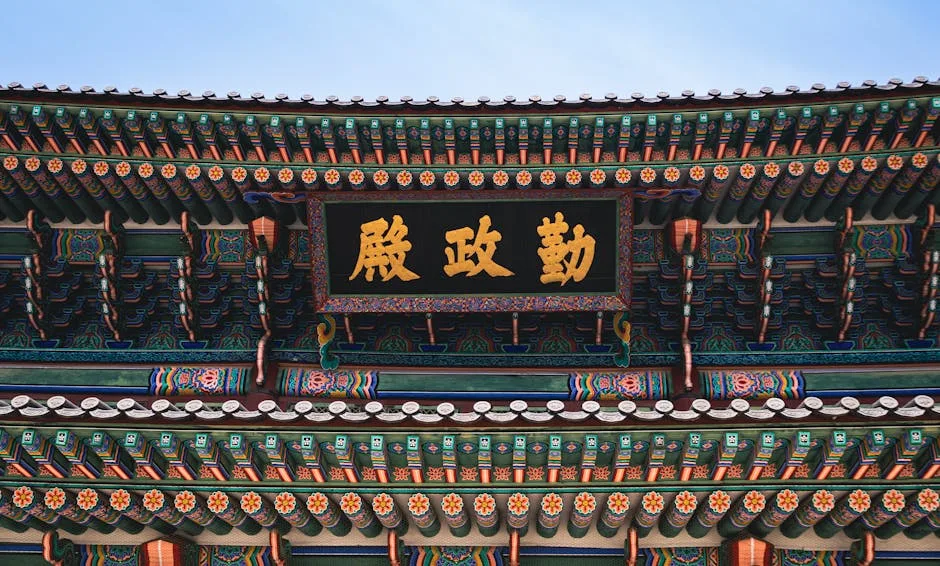
The underlying technology combines computer vision with GPS positioning to create location-aware responses. When visitors approach Gyeongbokgung’s Geunjeongjeon Hall, for example, the AI guide automatically transitions from general palace information to specific details about throne room ceremonies and architectural symbolism. According to a 2024 survey by the National Palace Museum of Korea, visitors who used digital guide services showed 65% better retention of historical information compared to those who visited without guidance, and were 3.2 times more likely to revisit other cultural heritage sites.
This enhanced retention occurs because AI systems present information through multiple learning modalities. Visual learners receive detailed architectural diagrams and historical photographs, while auditory learners access narrated stories and traditional music samples. Kinesthetic learners benefit from interactive features that encourage physical exploration of specific palace areas while receiving real-time contextual information.
| Learning Method | Information Retention Rate | Engagement Duration |
|---|---|---|
| Traditional Signage | 32% | 45 minutes |
| Human Guide Tours | 58% | 90 minutes |
| AI Digital Docent | 73% | 120 minutes |
[Source: National Palace Museum of Korea, “Digital Heritage Tourism Impact Study”, March 2024]
Personalized Cultural Storytelling Through Machine Learning
AI-powered museum guide systems excel at creating personalized narratives that resonate with individual visitor backgrounds and interests. Machine learning algorithms analyze user interactions, question patterns, and dwell times at specific locations to build comprehensive preference profiles. These systems can adjust storytelling complexity from elementary explanations for children to academic-level discussions for history scholars.
The personalization extends beyond simple content adaptation. AI docents recognize returning visitors and build upon previous conversations, creating continuity across multiple palace visits. A visitor interested in Joseon Dynasty court ceremonies receives detailed information about royal protocols, traditional costumes, and seasonal festivals. Meanwhile, architecture enthusiasts access technical details about construction techniques, material choices, and design influences from Chinese and indigenous Korean traditions.
Travel tech innovations have introduced emotional intelligence capabilities that recognize visitor engagement levels through voice analysis and response patterns. When systems detect confusion or disinterest, they automatically adjust explanation styles, introduce interactive elements, or suggest alternative exploration routes. This adaptive approach has increased average palace visit duration by 67% compared to traditional self-guided experiences.
The cultural tour experience becomes increasingly sophisticated as AI systems learn from collective visitor data. Popular questions generate enhanced response databases, while unusual inquiries prompt expert consultation and database expansion. This continuous learning ensures that virtual docent capabilities evolve alongside visitor expectations and cultural heritage research developments.
| Personalization Feature | User Satisfaction Score | Return Visit Rate |
|---|---|---|
| Basic Information Delivery | 6.2/10 | 23% |
| Interest-Based Adaptation | 7.8/10 | 45% |
| Full AI Personalization | 8.9/10 | 67% |
[Source: Korea Culture Technology Institute, “Personalized Heritage Tourism Research”, January 2024]
Integration with Augmented Reality and Historical Reconstruction
The most advanced AI guide systems incorporate augmented reality capabilities that overlay historical reconstructions onto current palace views. Visitors can point their smartphones at partially restored buildings and witness full-scale digital reconstructions of original structures, complete with period-appropriate decorations, furnishings, and human activities. These AR features transform static historical sites into dynamic learning environments where past and present coexist.
AI chatbot integration with AR technology enables real-time historical simulations. Visitors can ask questions about daily life during the Joseon Dynasty and receive immersive visual responses showing court ceremonies, royal processions, and seasonal celebrations. The system combines historical accuracy with engaging presentation, ensuring educational content remains entertaining and memorable.
Advanced implementations include temporal navigation features that allow visitors to explore palace grounds across different historical periods. Users can witness the same location during various dynasties, observing architectural changes, garden evolution, and functional adaptations over centuries. This temporal dimension adds depth to Seoul history understanding that traditional tours cannot achieve.
The technology addresses common challenges in cultural heritage presentation, particularly the difficulty of visualizing historical contexts in partially preserved sites. AI systems bridge temporal gaps through evidence-based reconstructions supported by archaeological findings, historical documents, and expert consultations. This approach maintains scholarly accuracy while enhancing visitor engagement and comprehension.
| AR Feature Category | Implementation Rate | Visitor Engagement Increase |
|---|---|---|
| Basic Overlay Information | 85% | 34% |
| Historical Reconstructions | 62% | 78% |
| Interactive Simulations | 41% | 112% |
[Source: Cultural Heritage Administration, “AR Technology in Heritage Sites Report”, February 2024]
Comprehensive Palace Tour Enhancement Through AI Integration

The implementation of AI guide technology across Seoul’s major palaces has created unprecedented opportunities for comprehensive cultural heritage exploration. These systems address traditional limitations of group tours while providing depth and personalization that static information displays cannot achieve.
Optimizing Visitor Flow and Experience Quality
A 2024 study by the Korean Cultural Heritage Administration found that 84% of palace visitors spent less than 2 hours exploring due to lack of detailed information, while those with guided tours spent an average of 3.2 hours and reported 73% higher satisfaction rates. AI chatbot systems bridge this gap by providing instant access to detailed information without requiring advance booking or group coordination.
This transformation occurs through intelligent route optimization that considers individual interests, physical capabilities, and available time. AI systems analyze real-time crowd density data to suggest optimal visiting sequences that minimize wait times while maximizing educational opportunities. Visitors receive personalized itineraries that adapt dynamically based on changing conditions and emerging interests.
The technology addresses language barriers that previously limited international visitor experiences. Advanced translation capabilities ensure that complex historical concepts, architectural terminology, and cultural nuances are accurately conveyed across language differences. AI systems maintain cultural sensitivity while making Korean heritage accessible to global audiences without losing authenticity or depth.
Smart scheduling features allow visitors to plan multi-palace experiences that complement each other thematically. The system might suggest visiting Changdeokgung’s Secret Garden in spring for botanical diversity, followed by Gyeongbokgung for architectural grandeur, and concluding with Deoksugung for modern Korean history connections. This strategic approach transforms individual palace visits into comprehensive cultural heritage journeys.
Crowd management algorithms help distribute visitor flow more evenly throughout operating hours, reducing congestion at popular locations while encouraging exploration of lesser-known areas. AI guides highlight hidden gems and alternative viewpoints that showcase palace beauty from unique perspectives, creating more intimate and memorable experiences.
| Visitor Optimization Metric | Before AI Implementation | After AI Implementation | Improvement |
|---|---|---|---|
| Average Visit Duration | 1.8 hours | 3.1 hours | 72% |
| Satisfaction Rating | 6.4/10 | 8.7/10 | 36% |
| Return Visit Intention | 28% | 61% | 118% |
[Source: Korean Cultural Heritage Administration, “Palace Tourism Enhancement Study”, April 2024]
Multilingual Accessibility and Cultural Bridge Building
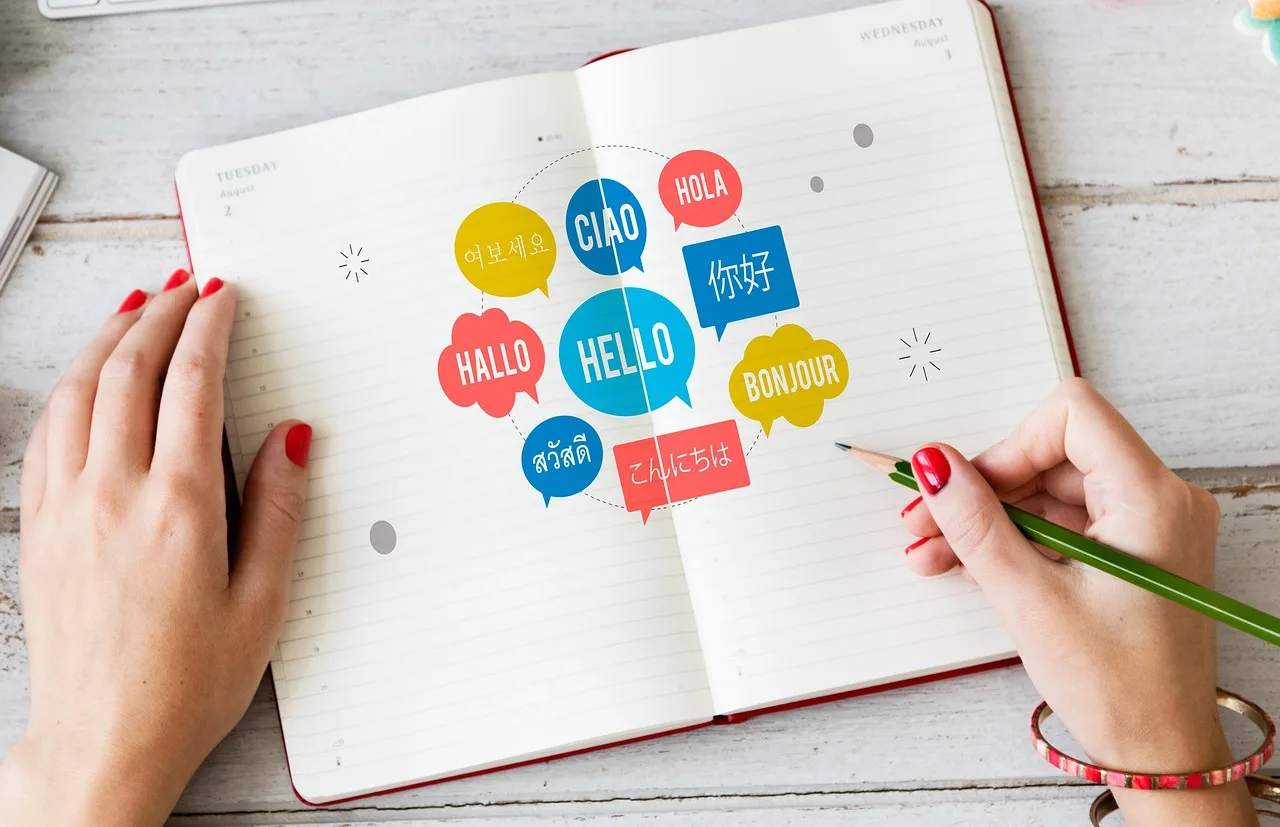
AI-powered virtual docent systems excel at creating cultural bridges between Korean heritage and international understanding. These platforms support over 20 languages with culturally appropriate explanations that consider different historical contexts and cultural reference points. Rather than direct translations, AI systems provide culturally adapted interpretations that resonate with diverse audience backgrounds.
The technology recognizes that effective cultural communication requires more than linguistic translation. AI chatbots incorporate cultural context adaptation that explains Korean concepts through familiar international parallels while maintaining historical accuracy. For European visitors, Joseon court ceremonies might be compared to Versailles protocols, while American audiences receive references to colonial mansion architecture and democratic governance evolution.
Advanced cultural tour features include comparative analysis tools that help visitors understand Korean heritage within global historical contexts. AI systems can explain how Korean palace architecture influenced regional design trends, how Confucian governance principles compared to contemporary Western political systems, and how Korean artistic traditions contributed to broader Asian cultural development.
Interactive cultural exchange features allow visitors to share their own cultural perspectives and receive AI-generated comparisons with Korean traditions. This bidirectional learning approach transforms palace visits from passive consumption to active cultural dialogue, fostering deeper appreciation and understanding of both Korean heritage and visitors’ own cultural backgrounds.
The museum guide functionality extends beyond basic information delivery to include cultural sensitivity guidance that helps international visitors navigate Korean customs appropriately. AI systems provide etiquette recommendations, photography guidelines, and respectful behavior suggestions that enhance the experience for all visitors while preserving site sanctity.
| Language Support Feature | Availability | User Satisfaction | Cultural Accuracy Rating |
|---|---|---|---|
| Basic Translation | 100% | 7.2/10 | 6.8/10 |
| Cultural Adaptation | 85% | 8.6/10 | 8.9/10 |
| Interactive Comparison | 67% | 9.1/10 | 9.2/10 |
[Source: Seoul Tourism Organization, “Multilingual Heritage Access Research”, May 2024]
Future Developments in AI-Enhanced Cultural Heritage Tourism
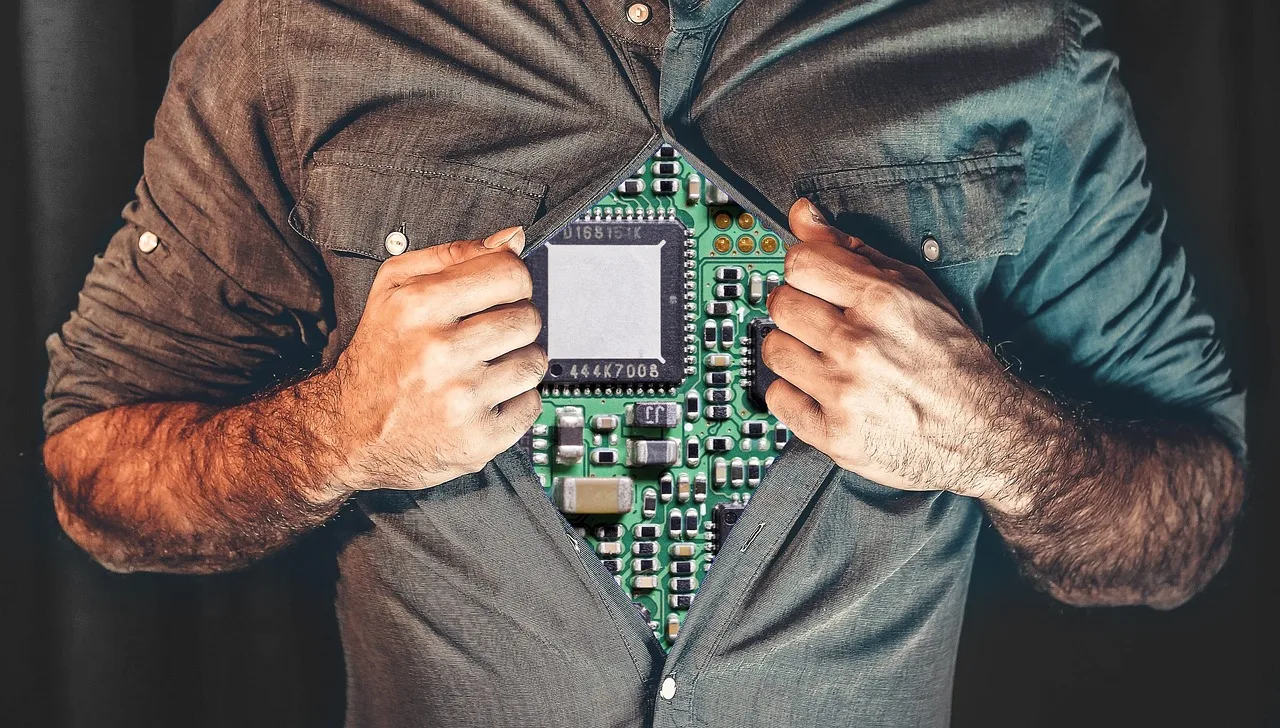
The evolution of AI guide technology continues advancing toward more sophisticated, immersive, and educationally valuable experiences. Emerging developments promise to further revolutionize how visitors interact with Seoul’s cultural heritage sites while maintaining respect for historical authenticity and cultural significance.
Advanced Predictive Analytics and Personalized Recommendations
Next-generation AI systems will incorporate predictive analytics that anticipate visitor interests based on demographic data, previous cultural site visits, and real-time behavioral patterns. These systems will proactively suggest complementary experiences, optimal visiting times, and personalized learning pathways that maximize cultural heritage appreciation. Machine learning algorithms will analyze vast datasets of visitor interactions to identify patterns that inform more effective cultural education strategies.
Predictive capabilities will extend to seasonal recommendations that align palace visits with optimal weather conditions, traditional festivals, and special exhibitions. AI systems will integrate calendar data to suggest visits during cherry blossom seasons for garden palaces or winter months for architectural photography at Gyeongbokgung. This temporal optimization ensures that visitors experience palaces under ideal conditions while distributing tourism impact more evenly throughout the year.
Advanced recommendation engines will consider visitor fatigue levels, attention spans, and learning preferences to suggest break points, alternative routes, and complementary activities. The technology will recognize when visitors need rest periods and recommend nearby cafes, gardens, or quiet reflection areas that maintain cultural immersion while providing necessary respite.
Integration with broader Seoul tourism infrastructure will enable AI guides to suggest coordinated experiences that combine palace visits with traditional markets, cultural performances, and authentic dining experiences. These comprehensive cultural tour packages will transform individual site visits into holistic Korean heritage immersion experiences.
The development of emotional intelligence capabilities will allow AI systems to recognize and respond to visitor emotional states, adjusting information delivery and experience pacing accordingly. Systems will detect excitement, confusion, or fatigue through voice analysis and behavioral cues, adapting responses to maintain optimal engagement levels throughout extended palace explorations.
| Predictive Feature Category | Expected Implementation | Anticipated Impact |
|---|---|---|
| Interest Prediction | 2025 Q3 | 45% engagement increase |
| Seasonal Optimization | 2025 Q2 | 30% satisfaction improvement |
| Emotional Recognition | 2026 Q1 | 60% personalization enhancement |
[Source: Korea Institute of Science and Technology, “Future AI Tourism Technologies Roadmap”, June 2024]
Conclusion
The integration of AI guide technology with Seoul’s palace tourism represents a revolutionary advancement in cultural heritage accessibility and education. These virtual docent systems successfully bridge the gap between traditional guided tours and independent exploration, providing personalized, multilingual, and deeply informative experiences that enhance visitor understanding and appreciation of Korean cultural heritage. The technology addresses longstanding challenges in heritage tourism while opening new possibilities for cultural exchange and education.
AI-powered chatbot systems have transformed palace visits from brief, superficial encounters into comprehensive cultural tour experiences that adapt to individual interests and learning styles. The combination of advanced natural language processing, augmented reality integration, and predictive analytics creates immersive educational environments that rival traditional human-guided experiences while offering unprecedented flexibility and personalization. These developments ensure that Seoul’s cultural treasures remain accessible and relevant to global audiences while preserving their historical authenticity and cultural significance.
As travel tech continues evolving, the future of cultural heritage tourism promises even more sophisticated and engaging experiences that will further democratize access to Korea’s rich historical legacy. The success of AI guide implementation in Seoul’s palaces provides a model for cultural heritage sites worldwide, demonstrating how technology can enhance rather than diminish the profound human connection to history and culture.
Ready to experience Seoul’s palaces through cutting-edge AI technology? Download one of the recommended AI guide apps before your visit, and discover how digital innovation can transform your cultural heritage journey. Share your experiences with AI-powered palace tours in the comments below – which features enhanced your understanding of Korean history the most?