

Table of Contents
Introduction to Sustainable Trekking
Sustainable trekking is an approach to outdoor adventure that emphasizes the need for responsible travel practices, particularly in ecologically sensitive areas like Patagonia. This unique region is renowned for its breathtaking landscapes and diverse ecosystems; thus, it becomes imperative for trekkers to engage in practices that minimize their environmental impact. Sustainable trekking not only encompasses environmental conservation but also considers cultural appreciation, community engagement, and the promotion of local economies.
One of the main tenets of sustainable trekking is to preserve the fragile ecosystems that characterize locations such as Torres del Paine National Park. By adopting environmentally friendly practices, trekkers can enjoy the stunning scenery while ensuring that it remains intact for future generations. Responsible trekking facilitates a deeper connection with nature and reinforces the vital relationship between humans and the environment.
Moreover, sustainable trekking can be an act of stewardship. Those choosing to navigate the trails should be aware of their surroundings, understanding the delicate balance that exists within the park’s habitats. As adventurers traverse this remarkable terrain, it is essential to leave no trace, which means not only preventing physical footprints but also considering the broader ecological footprint left behind. This includes utilizing designated paths, being mindful of wildlife, and refusing to disturb the flora that thrives in these unique habitats.
As we explore the various practices and principles of sustainable trekking in Torres del Paine, it becomes evident that this approach enhances the trekking experience, transforming it into an adventure enriched by a sense of purpose. By championing responsible travel, we safeguard the natural world while embarking on unforgettable journeys through Patagonia’s rugged beauty.
The Importance of Environmental Preservation in Torres del Paine
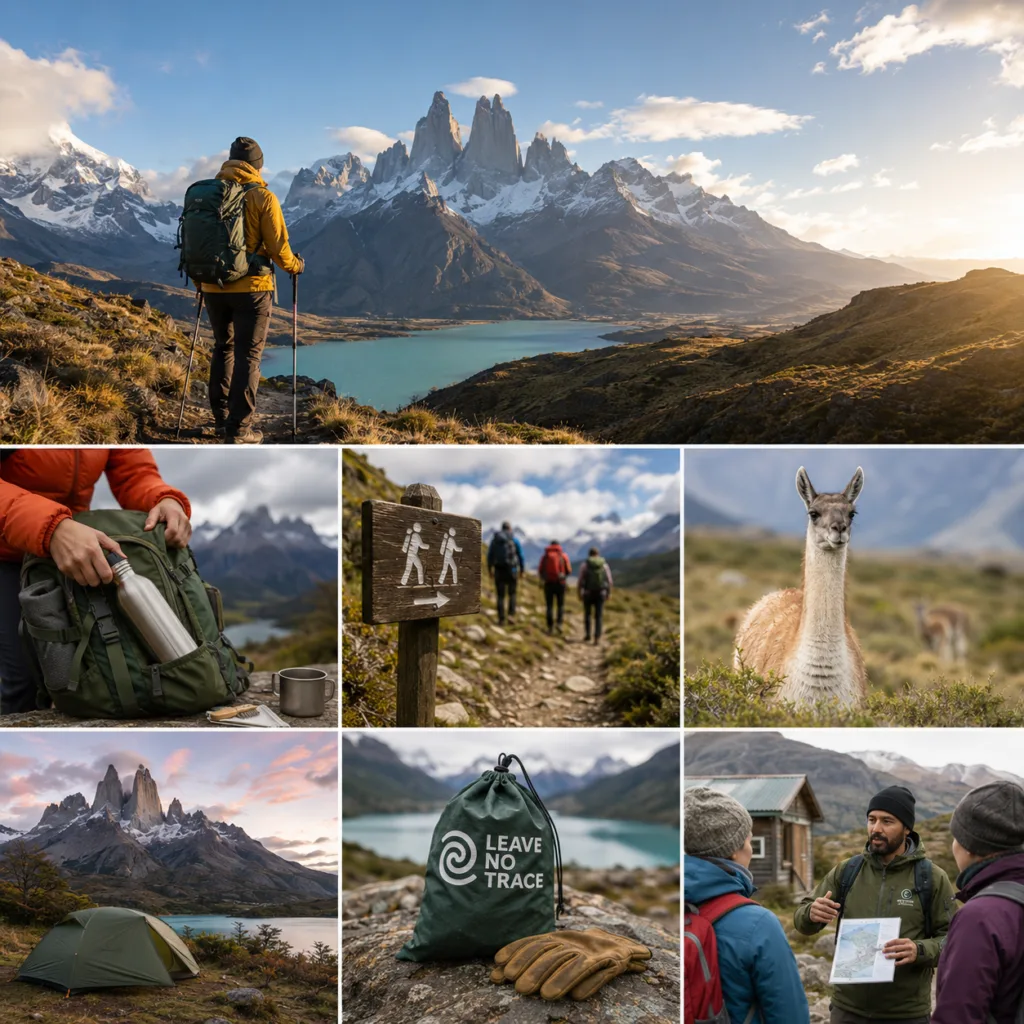
Torres del Paine National Park is renowned for its striking landscapes, ranging from jagged mountains to sprawling glaciers, and diverse ecosystems that host a plethora of flora and fauna. This stunning biosphere is home to unique species, including the endangered Andean condor and the elusive puma, making it a vital area for biodiversity conservation. However, the park faces significant challenges, primarily stemming from increased tourism and the impacts of climate change. The influx of visitors, attracted by the park’s natural beauty, has placed unprecedented pressure on its ecosystems.
Tourism-related activities often disrupt wildlife habitats, contribute to soil erosion, and lead to the degradation of trails. Moreover, climate change is altering precipitation patterns and temperature ranges, which affect seasonal cycles of various species and their habitats. Such environmental changes threaten the delicate balance that sustains the park’s biodiversity, highlighting the urgent need for responsible trekking practices.
To mitigate these impacts, sustainable trekking initiatives are essential. By adopting environmentally friendly practices, trekkers can help protect the park’s unique ecosystems while enjoying its breathtaking scenery. This includes respecting designated trails to minimize erosion, avoiding the introduction of non-native species, and following the principles of Leave No Trace. Encouragingly, many tour operators in the region are now advocating for sustainable tourism practices, focusing on environmental education and the preservation of natural resources.
Ultimately, the preservation of Torres del Paine is not solely the responsibility of conservationists; it requires the active participation of visitors who value the ecological heritage of this spectacular region. Each trekking experience offers an opportunity to engage with the environment responsibly, ensuring that future generations can also appreciate the wonders of this national park.
Choosing Eco-Friendly Gear for Trekking
When embarking on a trekking adventure in Patagonia, specifically within the Torres del Paine National Park, selecting eco-friendly gear is essential for minimizing your environmental impact. Eco-friendly trekking gear is not only beneficial for the planet but also enhances your overall trekking experience. This section delves into the aspects of assessing gear based on materials, sustainability, and ethical practices of brands.
One of the first criteria to consider is the materials used in your gear. Opt for products made from recycled materials whenever possible. Brands that prioritize sustainable sourcing often use fabrics that help reduce landfill waste and decrease the reliance on virgin resources. Furthermore, look for gear constructed from durable materials; high-quality gear tends to last longer, reducing the need for frequent replacements.
In addition to materials, it is crucial to evaluate the ethical practices of the companies from which you purchase your gear. Many sustainable brands are committed to fair labor practices, transparency in their supply chains, and ensuring environmentally-friendly manufacturing processes. Researching a company’s sustainability initiatives can give you insight into their overall commitment to reducing their ecological footprint.
For your trekking essentials, consider brands such as Patagonia, The North Face, and prAna, which offer a range of eco-conscious options that adhere to sustainable practices. Essential gear might include high-quality, breathable clothing made from recycled materials, biodegradable toiletries, and sturdy trekking footwear. Moreover, investing in a durable, reusable water bottle can significantly diminish the reliance on single-use plastics during your excursions.
Choosing eco-friendly gear is vital for responsible trekking in Patagonia. By opting for sustainable brands and assessing the environmental impact of your gear, you contribute not only to your own enjoyment but also to the preservation of the beautiful landscapes you will explore.
Waste Disposal: Leave No Trace Principles
When embarking on a trek through the beautiful landscapes of Patagonia, particularly in Torres del Paine National Park, adhering to waste disposal principles is essential for preserving the environment. The Leave No Trace guidelines provide a framework that assists trekkers in minimizing their ecological footprint. The first core principle dictates that all hikers should take full responsibility for their waste management, ensuring that they pack out all trash, food scraps, and other non-biodegradable materials.
One effective technique involves employing resealable bags or lightweight containers for packing out waste, ensuring that any potential odors are contained. It is also advisable to keep personal waste, such as wrappers and hygiene products, in a designated rubbish bag that can be carried out until it reaches a suitable disposal area. This practice not only facilitates efficient waste management but also reduces the likelihood of wildlife interactions with human refuse.
Human waste disposal is a critical aspect of responsible trekking. In areas where restrooms are not available, hikers should scout for a suitable location at least 200 feet away from water sources, campsites, and trails. When burying human waste, it is crucial to dig a small hole about six to eight inches deep to allow for natural decomposition while minimizing visibility. Additionally, trekkers can use toilet paper alternatives such as leaves or small rocks for cleanliness, though these should also be packed out if they are not biodegradable.
Implementing these strategies reinforces a commitment to leaving the pristine conditions of Torres del Paine National Park unchanged for future adventurers. By understanding and practicing waste disposal techniques aligned with the Leave No Trace principles, each trekker plays a vital role in sustaining our natural world.
Understanding Local Policies for Visitor Management
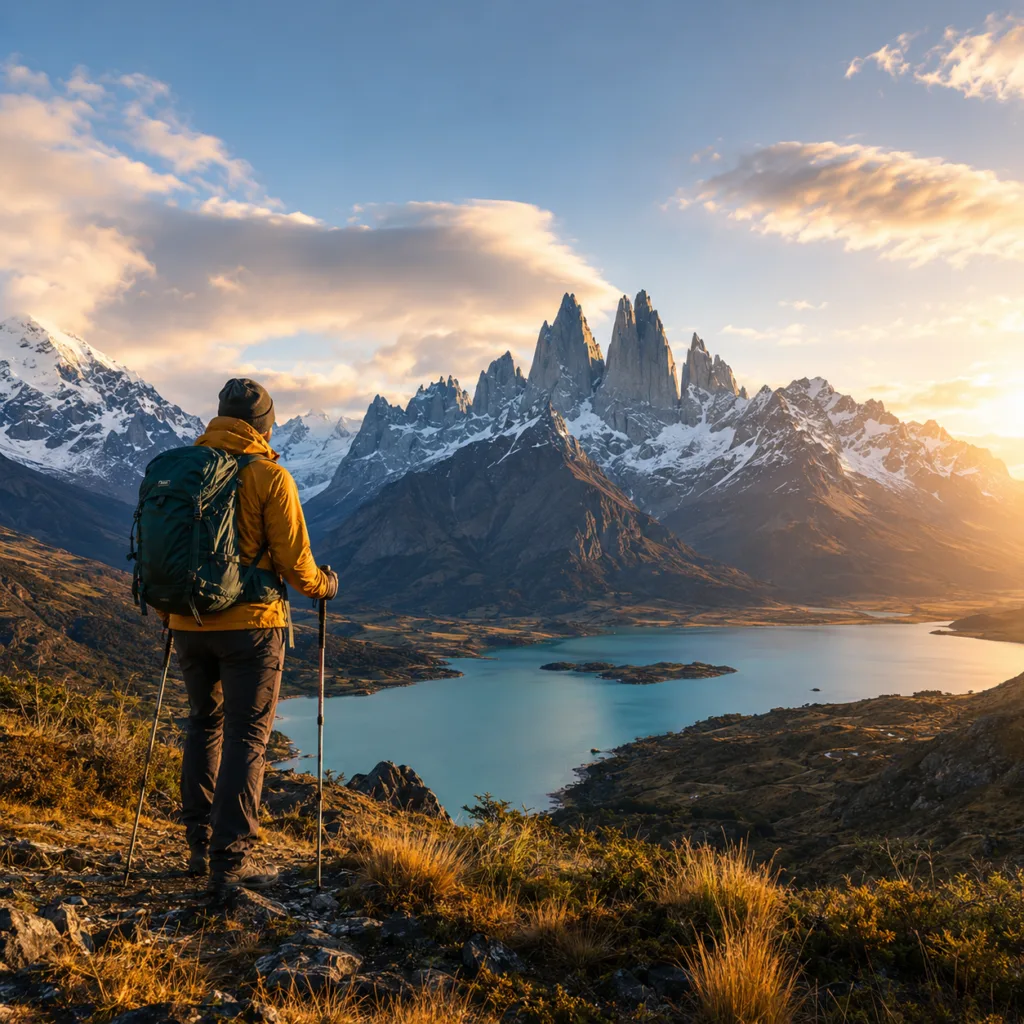
Torres del Paine National Park is renowned for its breathtaking landscapes and unique ecosystems, drawing visitors from around the globe. To preserve this natural wonder, local policies and regulations have been established, aimed at managing visitor impact effectively. By adhering to these guidelines, trekkers can contribute to sustainable tourism and ensure the park’s beauty endures for future generations.
One of the primary requirements for visitors is the need to obtain a permit prior to embarking on their trek. These permits help regulate the number of visitors in the park, thus mitigating overcrowding and minimizing environmental strain. It is essential for trekkers to familiarize themselves with the local permit application process, which typically includes specific details on trail access and duration of stay.
Additionally, designated camping areas are an integral component of the park’s management strategy. To protect the fragile environment, campers are required to use established campsites, which are deliberately located away from particularly sensitive ecological zones. This practice not only helps preserve wildlife habitats but also ensures that waste management systems can be maintained effectively.
Guidelines concerning trail usage are also critical in supporting conservation efforts. The park’s network of trails is designed to minimize soil erosion and protect native flora and fauna. Visitors are encouraged to stick to marked trails and avoid creating new paths, as this can lead to significant environmental degradation. Furthermore, it is vital to respect wildlife by maintaining a safe distance and not engaging in any feeding practices, which can disrupt natural behaviors.
Adhering to these policies is crucial for sustainable trekking in Torres del Paine National Park. Compliance not only protects the park’s natural resources but also enhances the overall experience for all visitors, fostering a culture of responsibility and respect for one of the world’s most stunning landscapes.
Protecting Endangered Flora and Fauna
Torres del Paine National Park, renowned for its breathtaking landscapes, harbors a variety of endangered species and delicate flora that are crucial to the region’s biodiversity. Among the notable endangered species are the South Andean deer, more commonly known as huemul, and the Andean condor, a bird admired for its impressive wingspan. The park also hosts unique plant species, including the endangered Patagonian lily and several varieties of endemic cacti. Protecting these species is not only vital for their survival but also essential for maintaining the ecological balance of the park.
To contribute to the protection of these vulnerable species, trekkers should adhere strictly to marked trails, which have been established to minimize human impact on delicate habitats. Venturing off the trails can cause soil erosion, disturb nesting sites, and harm flora that has taken years to develop. Additionally, trekkers are encouraged to avoid sensitive areas that are clearly marked in park maps and signage. It is vital to respect restricted zones, particularly during the mating season of native wildlife when disturbances can have compounding negative consequences.
Moreover, members of the trekking community can play a proactive role by reporting any illegal activities, such as hunting or unauthorized camping, to park rangers. This collaborative approach to conservation not only supports the protection of endangered species but also fosters a culture of responsibility among visitors.
There have been notable success stories in the conservation efforts within Torres del Paine. For instance, initiatives aimed at reintroducing the huemul into its natural habitat have shown promising results, leading to an increase in its population. Such successes highlight the impact that responsible trekking practices can have on preserving the unique flora and fauna of this stunning region.
Practical Tips for Sustainable Trekking
Embarking on a trekking adventure in Patagonia, specifically in the stunning Torres del Paine National Park, requires careful planning to ensure a minimal ecological footprint. Start by choosing a reputable trekking company that prioritizes sustainability. This involves assessing their environmental practices, such as waste management, use of local resources, and support for conservation efforts. Opting for guided tours that align with ethical principles can greatly enhance the sustainability of your trekking experience.
Before your journey, engage with local communities to understand their culture and support their economy. Consider participating in community-led projects or staying in locally-run accommodations, which often offer cultural immersion experiences. This not only enriches your adventure but also ensures that the economic benefits of tourism directly support the communities that exist in harmony with these natural landscapes.
To mitigate your carbon footprint, consider various eco-friendly travel options. For instance, prioritize trains or buses over flying whenever feasible. Furthermore, engaging in carbon offset programs can significantly help in balancing your travel emissions. Many organizations offer easy avenues to calculate and offset your carbon footprint through initiatives like tree planting or renewable energy projects.
Additionally, while trekking, remember to adhere to the Leave No Trace principles. This includes packing out what you pack in, staying on marked trails, and respecting wildlife. Be conscious of your water usage and refrain from using soap or detergents near natural water sources to prevent chemical contamination.
Supporting ethical tourism initiatives, such as conservation programs or local handicraft markets, can make a substantial impact. Each trekking choice can contribute to sustaining the pristine beauty of Patagonia while ensuring that future generations can enjoy its richness and diversity.
Case Studies of Successful Sustainable Trekking Initiatives
In recent years, several trekking initiatives in Patagonia have set exemplary standards for responsible tourism while fostering the preservation of the region’s unique ecosystems. One notable example is the partnerships established between local communities, government agencies, and conservation organizations to promote sustainable trekking in Torres del Paine National Park. By prioritizing environmental education and community involvement, these initiatives have showcased effective ways to balance tourism with conservation efforts.
One such initiative is the “Ecotrek” program, which focuses on educating trekkers about the fragile habitats of Patagonia. The initiative offers guided treks led by local rangers who impart knowledge on the rich biodiversity of the region and the importance of conserving natural resources. This program not only enhances the trekking experience but also fosters a sense of responsibility among participants. Trekkers are encouraged to minimize waste, respect wildlife, and adhere to established trails, thereby reducing their environmental impact.
Another successful example can be found in the “Leave No Trace” campaign implemented throughout Patagonia’s trekking circuits. This program promotes best practices for outdoor ethics, effectively changing the behavior of thousands of trekkers each year. The simple principles of this initiative—such as staying on marked trails, disposing of waste properly, and respecting local flora and fauna—are vital in mitigating the ecological footprint associated with trekking activities.
In addition, the establishment of community-based tourism cooperatives has played a crucial role in promoting sustainable trekking practices. These cooperatives offer authentic experiences led by local guides who share insights into cultural and environmental aspects unique to Patagonia. By encouraging trekkers to immerse themselves in the local culture, these programs help sustain the livelihoods of community members while ensuring that tourism remains environmentally and socially responsible.
Overall, the success of these initiatives highlights the importance of integrating sustainability into trekking practices, demonstrating that responsible tourism can coexist with the preservation of Patagonia’s breathtaking landscapes.
Conclusion: The Future of Sustainable Trekking in Patagonia

As we have explored throughout this blog post, sustainable trekking in Patagonia, particularly within the magnificent Torres del Paine National Park, is both a privilege and a responsibility. The breathtaking landscapes and diverse ecosystems of Patagonia are irreplaceable treasures that must be preserved for future generations. By embracing sustainable practices while trekking, each visitor plays a crucial role in maintaining the delicate balance between enjoying nature and protecting it.
Adhering to the principles of Leave No Trace is paramount for maintaining the integrity of these natural environments. Simple actions such as staying on marked trails, minimizing waste, and respecting wildlife not only enhance individual trekking experiences but also contribute to the overall health of the park. Supporting local communities and businesses when planning your journey, from hiring local guides to opting for eco-friendly accommodations, fosters a more sustainable economy that directly benefits the region.
The future of sustainable trekking hinges on the collective efforts of all who engage with these stunning environments. By advocating for and practicing responsible travel, trekkers can help mitigate the impact of tourism on Patagonia’s fragile ecosystems. This ongoing commitment to sustainability is essential, as it not only preserves the extraordinary beauty of Torres del Paine but also inspires future generations to appreciate and protect such stunning natural landscapes.
As adventurers prepare to embark on their treks in Patagonia, it is vital that they remember their role as stewards of the land. Let us commit to ensuring that our exploration of this remarkable region is grounded in sustainable practices. Together, we can ensure that the legacy of Patagonia’s breathtaking vistas continues to thrive for years to come, while simultaneously fostering a culture of respect and responsibility in outdoor recreation.
Urgent Action Needed to Address Staffing and Technology Woes in Aviation Safety, Report Warns
🧩 Jeju Island Preview – blog.jejumon.com