
Learn how to minimize your environmental impact while exploring the world through sustainable lodging, carbon reduction, and responsible packing. This guide provides actionable steps to ensure your travels contribute positively to the planet’s preservation.
Table of Contents
How to Choose Eco-friendly Accommodations?
Researching sustainable lodging is the first step toward a greener vacation. Select hotels that have implemented energy efficiency, water conservation, and waste reduction programs.
Look for recognized certifications like LEED (Leadership in Energy and Environmental Design) or Green Globe to verify a property’s commitment to the environment. For a deeper connection to nature, consider off-grid eco-lodges or solar-powered cabins that offer a unique, low-impact experience.

How Can You Reduce Your Carbon Footprint While Traveling?
Direct, non-stop flights are significantly better for the environment because takeoffs and landings are the most fuel-intensive phases of flight.
Once at your destination, prioritize public transportation, biking, or walking to explore. If a vehicle is required, renting hybrid or electric cars can drastically lower your emissions. You can also participate in carbon offset programs to fund reforestation or renewable energy projects that mitigate the impact of your journey.
What Are the Best Ways to Pack Light and Responsibly?
Packing versatile clothing made from sustainable materials like organic cotton reduces weight and environmental impact.
To eliminate plastic waste, carry reusable water bottles, bamboo utensils, and refillable toiletry containers. Avoiding single-use disposables is a critical pillar of sustainable travel that protects oceans and landfills from pollution.

How to Respect Local Wildlife and the Environment?
Observing animals in their natural habitats through ethical sanctuaries and national parks supports conservation without exploitation.
Always stay on designated trails to prevent the destruction of fragile ecosystems. Practice responsible waste disposal by following local recycling guidelines and never leaving trash behind in natural areas.

Why Is Supporting Local Communities Important for Eco-tourism?
Buying locally-made goods and dining at farm-to-table restaurants ensures that tourism revenue benefits the local economy directly.
Engaging with artisans and farmers markets preserves cultural heritage while reducing the carbon footprint of imported goods. Always show respect for local customs and traditions to foster positive connections between travelers and hosts.
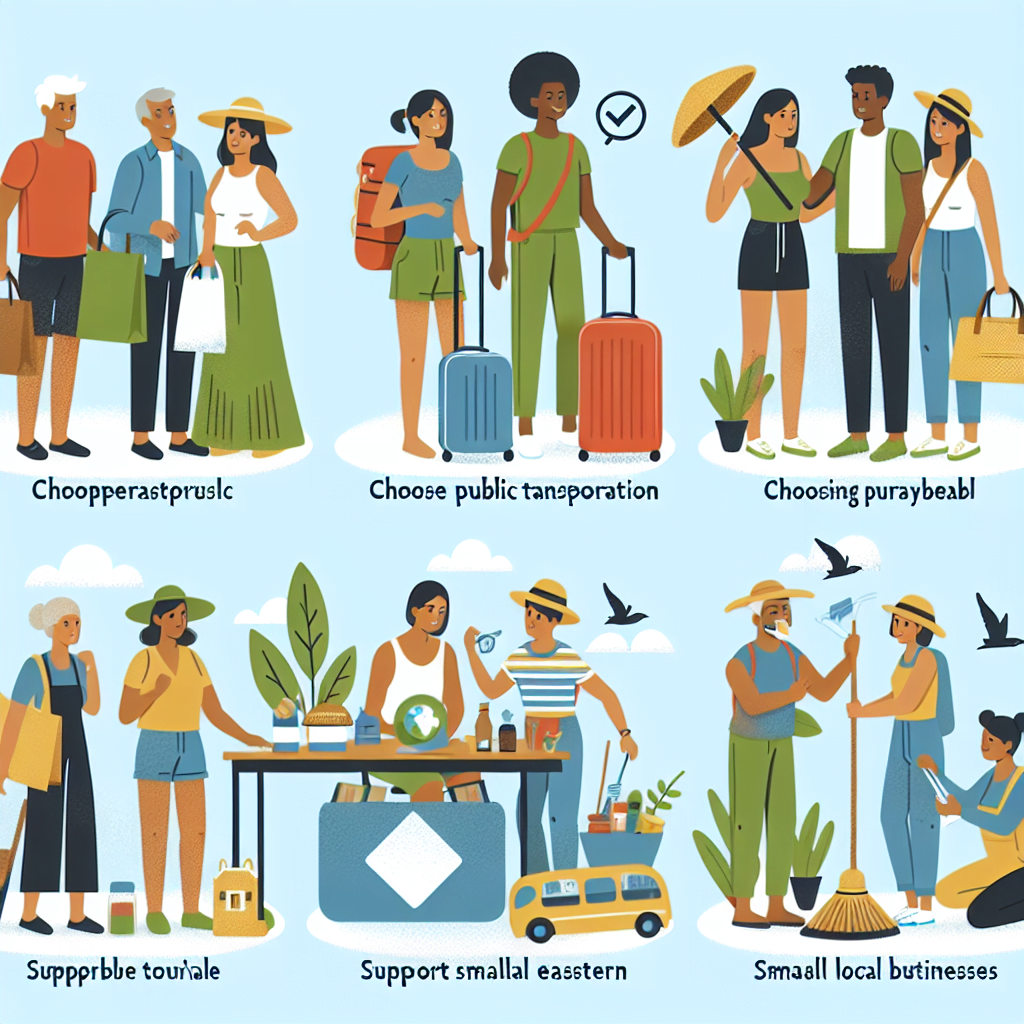
| Feature | Traditional Travel | Eco-friendly Travel |
|---|---|---|
| Transportation | Multiple flights, private cars | Direct flights, public transit, biking |
| Accommodation | Large chain hotels | Certified green hotels, eco-lodges |
| Waste Management | Single-use plastics | Reusable bottles and accessories |
| Local Impact | Imported goods and food | Local artisans and organic food |
Frequently Asked Questions (FAQ)
- Q. What is the most eco-friendly way to travel long distances?
A. Taking direct flights and choosing airlines with modern, fuel-efficient fleets or carbon offset programs is the most effective long-distance strategy. - Q. How can I identify a truly sustainable hotel?
A. Look for third-party certifications like LEED, Green Globe, or EarthCheck, which audit a hotel’s energy, water, and waste management. - Q. Does eco-friendly travel cost more?
A. Not necessarily; many sustainable habits like walking, using public transit, and eating local food can actually reduce your total travel expenses.